
Reviewed · YOKOHAMA TOURS
Yokohama: A City at the Corner of Tradition and Modernity
Yokohama hits that rare sweet spot fast. This tour strings together Minato Mirai, Chinatown, a top garden stop, and the neighborhood feel of Noge, all tied to how Yokohama grew once Japan opened for trade in the mid-1800s. I also like that the guide connects the dots, including how Yokohama played a key role in Japan’s beer beginnings.
Two standouts make it worth your time: the mix of modern downtown and the scale of Japan’s largest Chinatown, plus the tour pacing and flexibility led by John. In particular, John’s organization and willingness to adjust for a knee issue stood out, and it shows the tour isn’t just a scripted walk.
One thing to plan for: this is a walking tour. Wear comfortable shoes (and bring water in summer), and skip it if long stretches on foot are a struggle since it isn’t suitable for wheelchair users.
In This Review
- Key highlights you’ll actually feel on the ground
- Yokohama’s trade boom: the story behind Minato Mirai and Chinatown
- Meeting at Nihon-Odori Station: the easiest way to start without stress
- Minato Mirai: seeing modern Yokohama without drowning in options
- Yokohama Chinatown: Japan’s largest, so the scale changes everything
- Sankei-en Garden: the calm break that makes the whole tour feel balanced
- Noge: a neighborhood contrast after the big highlights
- Beer culture in Yokohama: the small detail that makes the city stick
- Price and value: $129 for a private group that actually helps you travel smarter
- Who should book this Yokohama tour, and who should skip it
- Should you book this Yokohama walking tour?
- FAQ
- How long is the Yokohama tour?
- Where is the meeting point?
- How much does the tour cost?
- Is this tour private?
- What language is the tour guide?
- What’s included in the price?
- What extra costs should I budget for?
- What should I bring for this walking tour?
- Is the tour wheelchair accessible?
- Can I cancel for a full refund?
Key highlights you’ll actually feel on the ground
- Minato Mirai in one focused window: modern downtown energy without wasting your day
- Japan’s largest Chinatown: big size changes the vibe, and your guide helps you make sense of it
- Sankei-en Garden as the main reset: a break that balances out the city walking
- Noge adds neighborhood contrast: after the big sights, you get a different Yokohama angle
- John’s on-the-fly adjustments: clear planning plus flexibility if your pace needs to change
Yokohama’s trade boom: the story behind Minato Mirai and Chinatown
Yokohama is one of those cities where the layout and the personality make sense once you know the turning point. A couple centuries ago it was basically a small fishing place, then the mid-1800s brought open trade, and Yokohama grew fast into one of Japan’s major, wealthy cities. That shift matters because it explains why the city now mixes modern streets with cultural pockets that feel very established.
In practice, your guide uses that background to help you read what you see as you move. You’re not just ticking off landmarks. You’re learning why downtown feels like downtown, why Chinatown feels like a distinct world, and why a major garden stop belongs right in the middle of the day.
I also like that the tour doesn’t pretend Yokohama is only one thing. Japan’s beer story starts here too: Japan’s first breweries opened in Yokohama in the late 1800s, and the city has more microbreweries than you can count quickly. Even if you’re not doing a brewery crawl, you’ll get a sense of how the city’s commercial roots show up in everyday culture.
Meeting at Nihon-Odori Station: the easiest way to start without stress
You’ll meet just outside Exit 2, the Stadium Exit, of Nihon-Odori Station. Arriving a few minutes early is smart here, since you want to feel settled before the walking starts.
This matters because the tour is designed for flow. You’ll mostly get around on foot, with public transport used at times. That mix keeps the day efficient, but it also means your comfort depends on your shoes and your willingness to walk.
If you tire easily, tell your guide early. The plan can shift to lean more on transport. That flexibility is one of the reasons this tour works well even when your body doesn’t cooperate perfectly.
Minato Mirai: seeing modern Yokohama without drowning in options
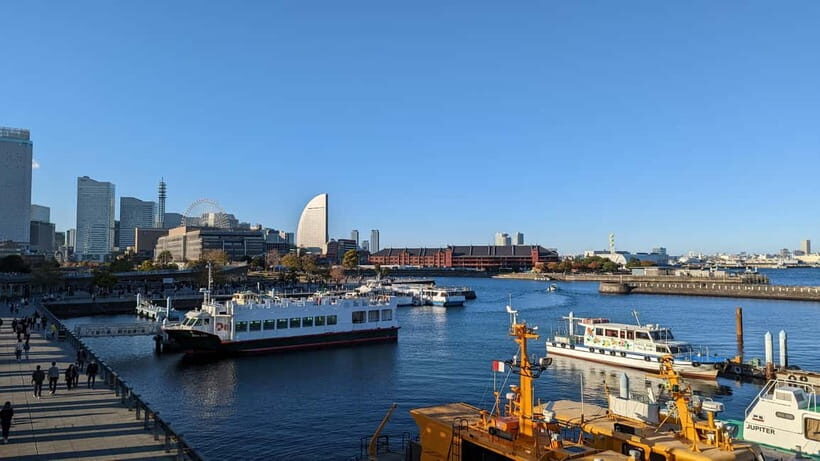
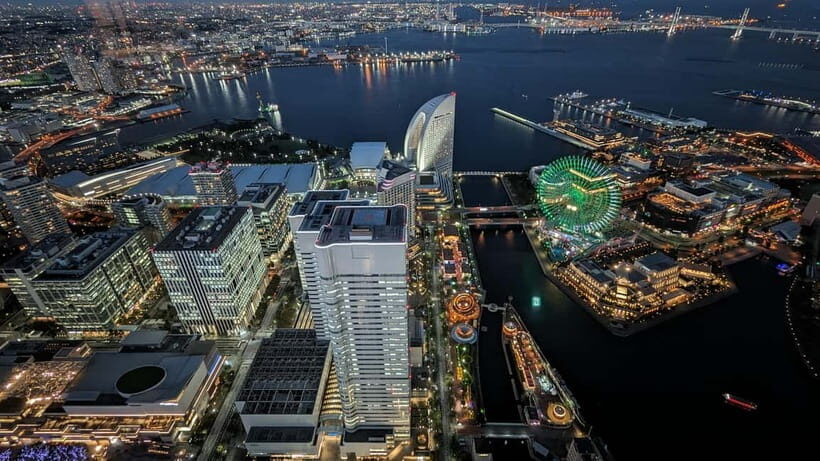
Minato Mirai is your first big downtown anchor, and it’s a smart way to start. This is where you get the modern Yokohama feeling in a concentrated 4-hour format. Since the city’s major growth followed the opening for trade, downtown becomes the visual shorthand for that transformation.
What you’ll likely enjoy most here is the simple clarity: you’re in Yokohama’s present-day core, and the guide can connect it back to the city’s rise. It’s a good stop for photos, quick orientation, and building a mental map before you head into more distinct areas.
The drawback is practical rather than scenic. Downtown streets can move fast. If you prefer slow strolling, you may want to remind the guide that you’d like a slightly steadier pace from the start.
Yokohama Chinatown: Japan’s largest, so the scale changes everything
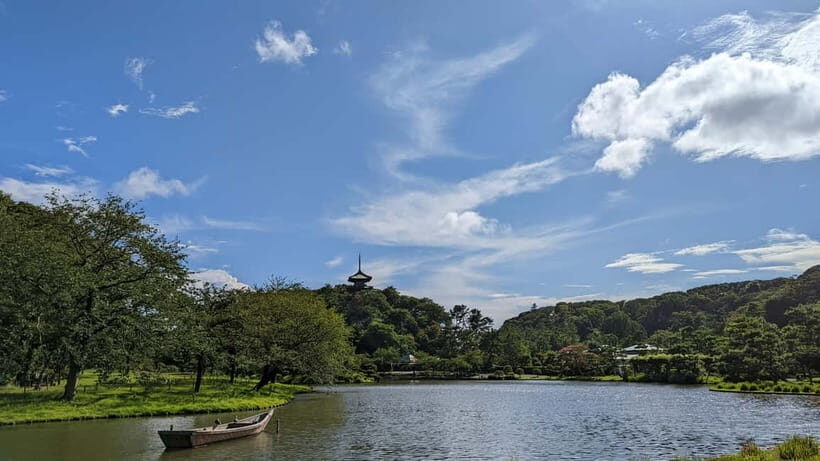
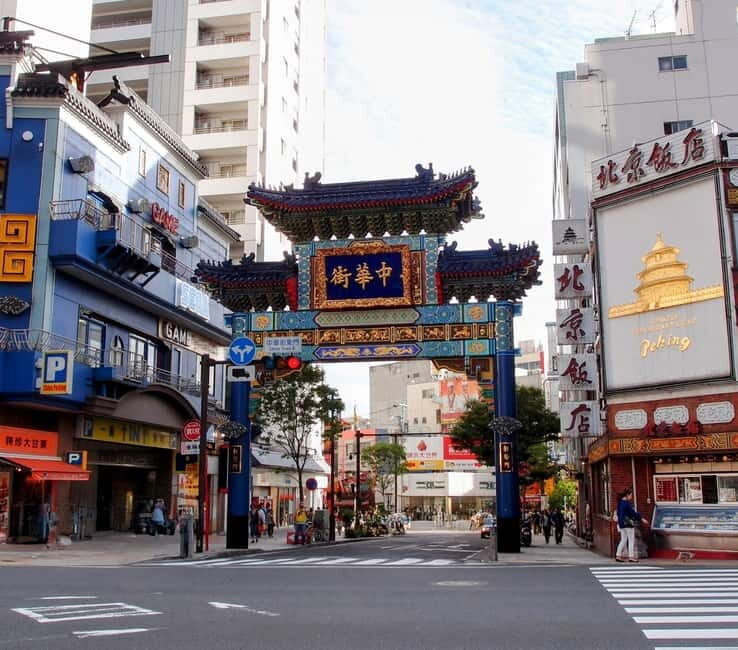
Chinatown is one of the tour’s headline experiences, and it’s not just one of many. This is the largest Chinatown in Japan, and that size changes the experience. You’ll feel like you’ve entered a larger district rather than a small themed street.
Your guide’s job in this section is crucial: they help you understand what you’re seeing so it feels like a cultural place, not just a dense collection of storefronts. With a deep, wide-ranging conversation style, John is the kind of guide who can answer questions about everyday life in Japan on the spot. That turns Chinatown from an “I saw it” stop into an “I get it” stop.
If you’re sensitive to crowds, plan your mindset for a busier atmosphere. The tour duration is only 4 hours, so you won’t spend forever here, but it can still feel energetic. If that’s not your thing, pacing helps—ask to slow down at natural moments.
Sankei-en Garden: the calm break that makes the whole tour feel balanced
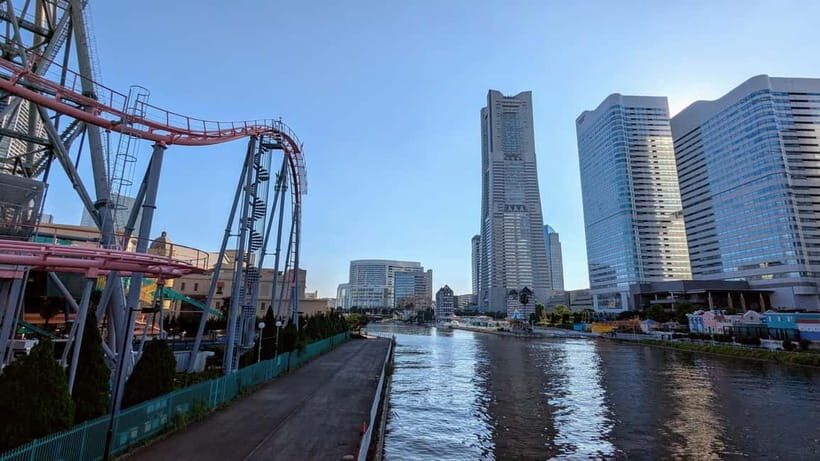
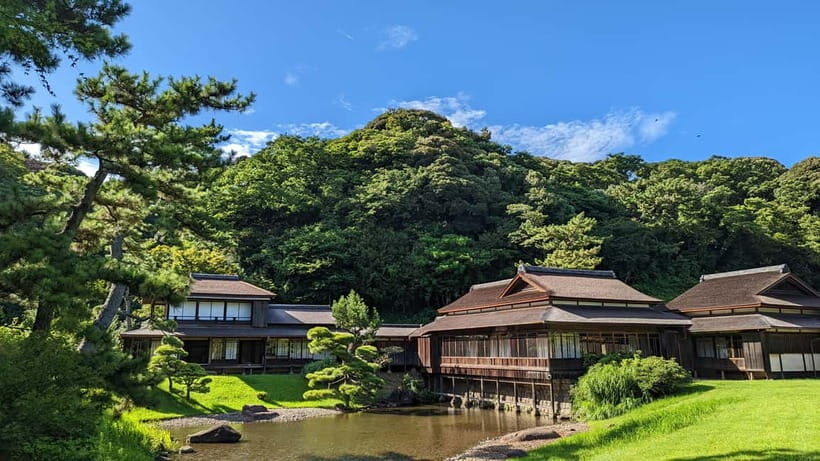
After Chinatown, you need a reset, and Sankei-en Garden is built for that. The tour frames this as the best garden in the Tokyo region, and even without guessing at every feature, gardens function the same way on a walking route: they give your brain a chance to breathe.
This stop also balances the day’s contrast. You’ve had modern downtown and a major cultural district; now you get greenery and slower movement. For anyone who takes photos, it’s also a chance to step away from the intensity of streets and into a calmer rhythm.
The main consideration is time. Gardens can be tempting, and you could wander longer than a walking tour schedule allows. So focus on what the guide points out, enjoy the pause, and keep some energy for Noge after.
Noge: a neighborhood contrast after the big highlights
Noge is the final highlight, and it’s there for a reason. After Minato Mirai and Chinatown, a neighborhood stop gives your tour a different texture. It helps you see Yokohama as more than a set of famous stops.
Because the tour is private, your guide can adjust how this section feels. If you want local atmosphere—quiet streets, everyday scenes—you can lean into that. If you want more explanation, John style Q&A tends to fit naturally into this kind of segment.
The practical drawback: neighborhood time can feel less structured than major attractions. If you prefer very obvious sights, you’ll want the guide to point out what to notice as you walk. Ask questions here, not only earlier.
Beer culture in Yokohama: the small detail that makes the city stick
One of the tour’s smartest touches is how it brings in Yokohama’s role in Japan’s beer culture. Japan’s first breweries opened here in the late 1800s, and that early industrial footprint helps explain why the city’s modern food-and-drink scene has real roots.
Even if you don’t plan to do tastings during the tour, the context changes how you read the city. You start noticing that this isn’t a random port city. It’s a commercial hub with a long tradition of brewing and brewing-adjacent culture.
This is also where John’s approach shines. When a guide can answer broad questions about life in Japan, the tour becomes more than a route. It becomes a conversation you walk through. That’s the kind of value you feel long after you head back to your hotel.
Price and value: $129 for a private group that actually helps you travel smarter
The price is $129 per group, up to 10 people, for a 4-hour private tour. That pricing structure can be a great deal if you’re traveling with a small group, and less dramatic if you’re a solo traveler.
Here’s the math in plain terms:
- If you have 2 people, you’re paying a higher per-person share of the group price.
- If you fill out closer to 10 people, it becomes a much better value per head.
Also consider what’s included. You get the guide fee plus one friendly guide, and the tour runs live in English. What’s not included: lunch/snacks/drinks, transportation (around 400 yen), and entry fees (around 1000 yen). Those extra costs aren’t huge for a 4-hour format, but they are worth budgeting so you don’t get surprised.
The value isn’t only the route. It’s the guide’s planning and the flexibility to adjust pace. A tour that can handle an injured knee without derailing the day is the kind of “service quality” that matters, especially when you’re walking.
Lastly, you can cancel up to 24 hours in advance for a full refund, and you can reserve first and pay later if you want your plans to stay flexible.
Who should book this Yokohama tour, and who should skip it
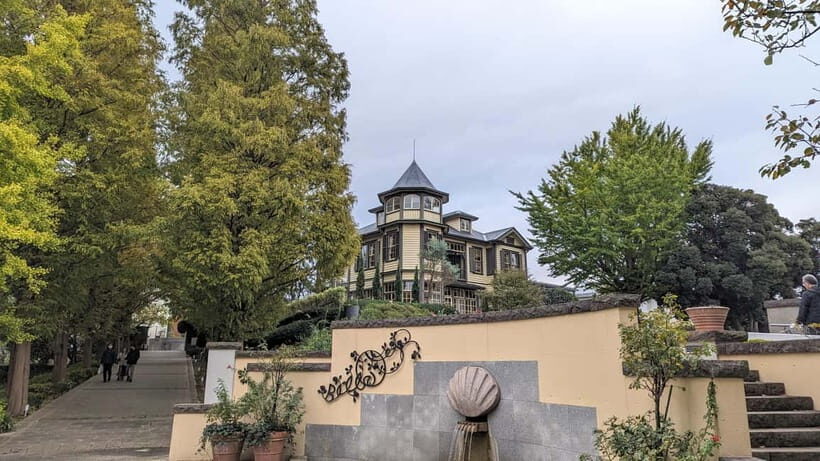
Book it if you want a focused Yokohama introduction that hits modern downtown, major cultural landmarks, and a garden reset in just 4 hours. It’s a solid fit for first-time visitors who want structure without turning the day into a sprint.
It also works well for couples or small groups who like questions. John’s style—organized, responsive, and able to answer plenty about life in Japan—turns the walk into something more personal.
Skip it if you can’t handle a walking-based schedule. The tour isn’t suitable for wheelchair users, and it’s mostly on foot with only occasional public transport support. If your mobility is limited, you’d need a different format.
Should you book this Yokohama walking tour?
Yes, if you’re planning to see Minato Mirai, the largest Chinatown in Japan, and a major garden all in one compact day, this tour has good “bang for planning.” The biggest reason to choose it is the guide experience: John’s organization and flexibility make the route feel smoother and more respectful of real needs.
If you hate walking, or you want a purely attraction-by-attraction schedule with no give at all, you might feel the walking time more than you expect. But for most people, it’s a well-shaped way to understand why Yokohama sits at the corner of tradition and modern life.
FAQ
How long is the Yokohama tour?
The tour lasts 4 hours.
Where is the meeting point?
Meet just outside Exit 2, the Stadium Exit, of Nihon-Odori Station.
How much does the tour cost?
The price is $129 per group, up to 10 people.
Is this tour private?
Yes. It is a private group tour.
What language is the tour guide?
The tour is guided in English.
What’s included in the price?
The guide fee and one friendly guide are included.
What extra costs should I budget for?
Transportation is about 400 yen and entry fees are about 1000 yen. Lunch/snacks and drinks are not included.
What should I bring for this walking tour?
Bring comfortable shoes. In summer, bring water as well.
Is the tour wheelchair accessible?
No. It is not suitable for wheelchair users.
Can I cancel for a full refund?
Yes. You can cancel up to 24 hours in advance for a full refund.
The Whole City in a Day


More Tour Reviews in Yokohama


Next Door in Yokohama
Yokohama Tours, compared.
 ★ 4.9EVO, WRX, Skyline – JDM Night Run to Daikoku Car MeetFrom $125478 reviews
Best Price Daikoku Parking Area JDM Car MeetFrom $76192 reviews
★ 4.9EVO, WRX, Skyline – JDM Night Run to Daikoku Car MeetFrom $125478 reviews
Best Price Daikoku Parking Area JDM Car MeetFrom $76192 reviews
 ★ 4.9Daikoku & Tokyo Private JDM Tour by 700HP R34 GT-RFrom $586101 reviews
 ★ 5.0Tokyo 8hr Private Tour with Licensed Guide from YokohamaFrom $20194 reviews
 ★ 5.0【Tokyo】JDM Daikoku Parking Area & Nissan Facility TourFrom $5587 reviews
 ★ 4.5Narita Airport: One Way Private Transfer to Tokyo|Yokohama HotelsFrom $7769 reviews
 ★ 5.0Shuttle Van Transfer, Yokohama(Port)⇒Tokyo, Narita, Haneda, TDRFrom $12263 reviews
 ★ 5.0R34Skyline Daikoku PA Fast & Furious Private ExperienceFrom $10963 reviews
Browse the lists this tour appears in