
Reviewed · FOOD & DRINK
Tokyo Street Food Tour – 7 Japanese Foods
One street-food walk can cut through Tokyo noise fast. This tour trades the usual big-name spots for Togoshi Ginza and a decades-old covered arcade where you graze like a local. You start with a short intro to how Tokyo’s everyday snacks evolved, then you spend your time eating, walking, and learning what makes each bite worth seeking out.
What I like most is the variety packed into one smooth route, not just the same chicken or same sweet repeated. The other big win is the small-group feel, with guides who actually talk with you as you move from stall to stall. One thing to consider: it’s still a walking tour, and the pace is “graze as you go,” so you’ll want comfortable shoes and a moderate fitness level.
In This Review
- Key reasons this tour is worth your time
- Why Togoshi Ginza Feels Like Real Tokyo
- Meeting up, walking pace, and what 2 hours really means
- Stop 1: Musashi Koyama’s covered arcade and your first 5 bites
- Stop 2: Togoshi Ginza Shopping Street and the final sweet hits
- The seven-food strategy: how to not overdo it
- Guides and conversation: what changes with a small-group host
- Price and value: what you’re paying for at $91.45
- Who this tour is best for (and who should consider another plan)
- Final verdict: should you book this Tokyo street food tour?
- FAQ
- How long is the Tokyo Street Food Tour?
- How many foods do you try?
- What does the tour cost?
- How many people are in the group?
- What’s included in the price?
- Where do you meet?
- Is hotel pickup or drop-off included?
- Can I cancel for a full refund?
- Should you book this Tokyo street food tour?
Key reasons this tour is worth your time
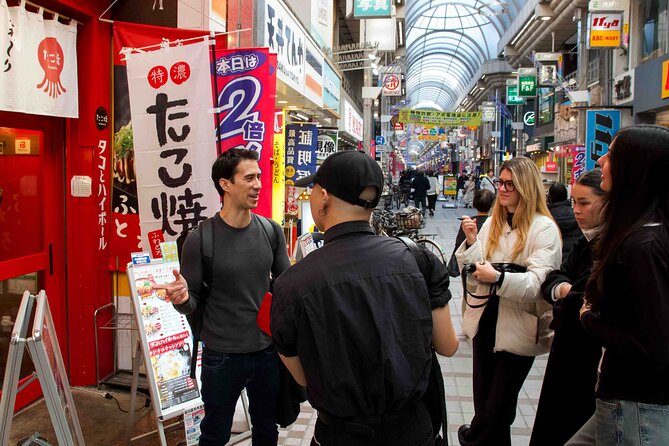
- Small group (max 8): easier questions, better pacing, and more time at each stop.
- Seven distinct snacks: fried, grilled, handheld, and sweets, so you don’t get bored halfway.
- Togoshi Ginza over the main drag: you’ll spend real time in a neighborhood market street rather than tourist clusters.
- Covered-arcade start at Musashi Koyama: a sheltered warm-up zone that feels like Tokyo has always been here.
- Guides with personality: I saw guides named Makayla and Sahori in past tours, plus other hosts like Frank and Bunga, all with the same focus on food stories.
Why Togoshi Ginza Feels Like Real Tokyo
Tokyo has a talent for making everyday food feel like a small event. This route leans into that. Instead of chasing famous restaurants, you’re guided into a neighborhood shopping street vibe where people pop in, grab a snack, and keep moving.
Togoshi Ginza Shopping Street is the main show, but you don’t just jump there. You also start in Musashi Koyama at a covered arcade that’s been around for decades. That matters because the atmosphere is different under that roof: you can actually hear what’s happening, see how stalls operate, and get your bearings fast without the crush you might find near top-sight areas.
You also get food history in a practical way. It’s not a lecture. You learn enough about why a dish is made a certain way, what the ingredients signal, and how these street snacks fit Tokyo life. Then you taste the result immediately.
Meeting up, walking pace, and what 2 hours really means
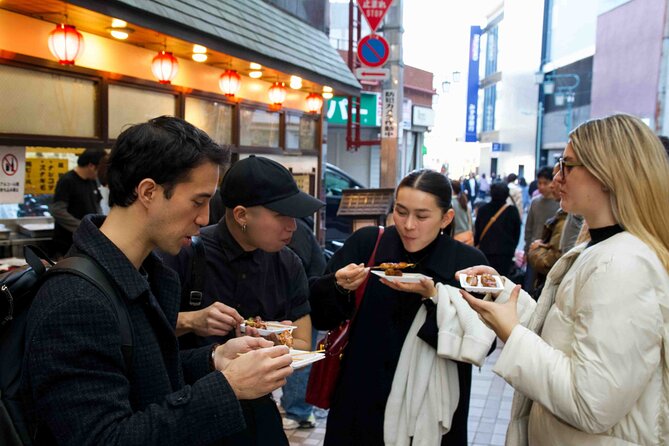
This tour is about 2 hours total, with a walking-and-eating rhythm that usually lands around an hour and a half to roughly two hours depending on the group flow. It’s designed as a “grazing” experience, not a long hike where you eat once at the end.
The group size is capped at 8 travelers, which is part of why it stays comfortable. You’ll be near public transportation, but hotel pickup and drop-off are not included. That’s a good trade for value: you’re using the local transit system and meeting at Park City Musashikoyama THE MALL.
You should have a moderate physical fitness level. Think: steady walking through shopping streets, some time standing at stalls, and a little time under open-air and covered space. If you’re used to city walking, you’re fine. If you hate stairs or long stretches on your feet, plan to take it slow and wear supportive shoes.
Stop 1: Musashi Koyama’s covered arcade and your first 5 bites
Your tour starts at Park City Musashikoyama THE MALL near 3-chōme-15-1 Koyama in Shinagawa. From there, you head toward Togoshi Ginza, but the smartest move is that the tour doesn’t save the fun for later.
The first stop happens at a decades-old covered arcade. This is where you get your first tastes, and it sets the tone. You’re not just eating. You’re getting oriented to how vendors work, how portions come out, and how street snacks are meant to be shared by the neighborhood, not plated for photos.
Here’s what’s on the early menu of seven total snacks (you’ll have more than just one category):
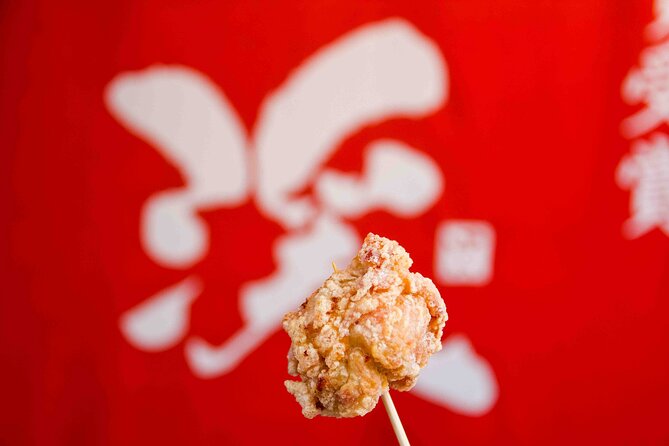
- Crispy karaage at an award-winning vendor
- Yakitori (charcoal-grilled chicken skewers) from a spot operating since 1926
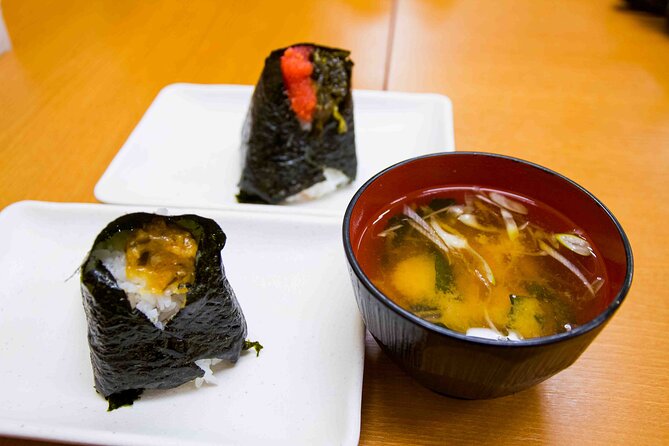
- Handmade onigiri with 40+ filling choices, including examples like bacon and cream cheese, or spicy tuna
- Savory curry bread, freshly baked bread filled with Japanese beef curry
- Super creamy Japanese pudding
Two practical notes for your first half:
- Pace yourself right away. Karaage and curry bread can stack heavy fast.
- The onigiri choices are fun, but you’ll want to pick a filling you truly want, because you’ll be eating it immediately.
This stop is also a confidence-builder. Once you’ve had these first bites, the rest of the walk feels like a guided snack crawl instead of random ordering.
Stop 2: Togoshi Ginza Shopping Street and the final sweet hits
After a walk, you reach the main stretch: Togoshi Ginza Shopping Street. This is where the neighborhood feeling really lands. You’ll find lots of small shops and food counters, the kind you’d walk past if you didn’t have a plan.
The tour continues with the remaining snacks from the full set of seven. While the exact last two bites aren’t listed in the itinerary details you have here, past guests have pointed out a dango shop as a memorable final stop. That fits the overall pattern: savory first, then something chewy and sweet to wrap up.
Why I think this is a great way to experience Tokyo:
- You get a sense of how people snack mid-day, not just how tourists eat dinner.
- You see a street that functions as commerce, not a staged food attraction.
- You finish in a shopping street setting where it’s easy to keep exploring afterward on your own.
The end location is at Togoshi Ginza Shopping Street (at the shopping street hall). If you want to extend your day, you’re placed right where local foot traffic is already happening.
The seven-food strategy: how to not overdo it
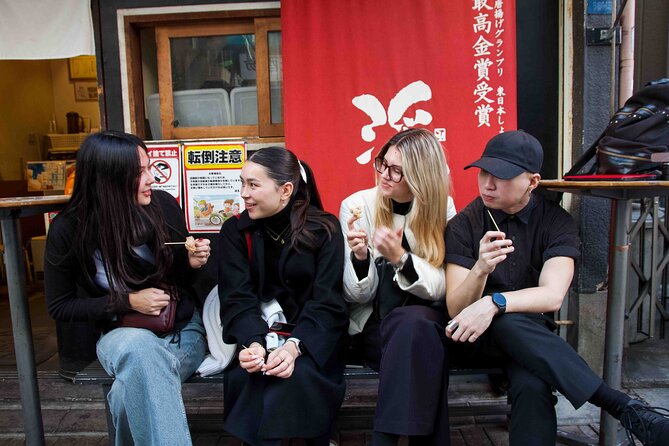
Street food tours are great, but only if you avoid the common trap: treating every bite like a full meal. This one is built to help you with that. It strings seven types of snacks across the route, and the total time is short enough that you won’t feel like you’re trapped in a food marathon.
Here’s how to enjoy it without regrets:
- Start with the fried and grilled bites, but don’t chase seconds. You’re sampling, not ordering a banquet.
- If you’re sensitive to salty or crisp foods, balance with the onigiri. Rice plus filling often steadies the palette.
- Expect the sweets to hit later. Guests have singled out karaage as a favorite, and they’ve also mentioned creamy pudding and dango as strong finishes.
If you want the best experience, think in terms of textures. You’re moving from crunchy to grilled to handheld to bread to creamy to chewy-sweet. That makes each stop feel like a new flavor chapter rather than repeats.
Guides and conversation: what changes with a small-group host
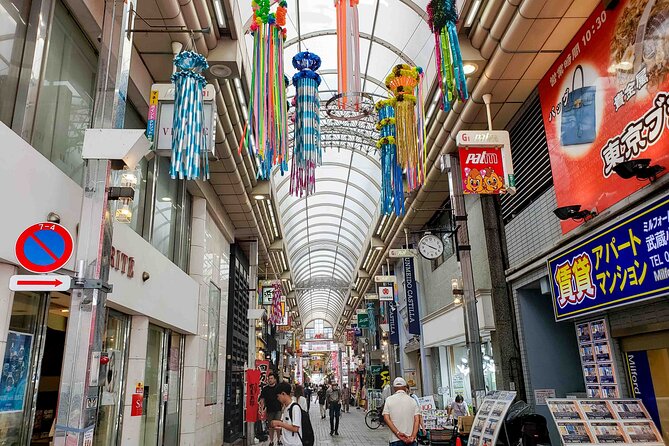
Food tastes better when someone explains what you’re holding. Past tours have highlighted this again and again, especially with guides who keep things friendly and chatty while still staying on schedule.
Names that came up include Makayla and Sahori, and other hosts like Frank and Bunga were also mentioned in guest comments. Different people, same overall approach: they help you navigate the best stalls, then connect the dish to how it fits Tokyo’s everyday food scene.
In a group of up to 8, you’re more likely to get real answers. You can ask what you should order next, what a certain filling means, or why a dish is prepared a specific way. That makes the walk feel personal, especially if it’s your first time in Tokyo and you’re trying to understand how the city eats.
Price and value: what you’re paying for at $91.45
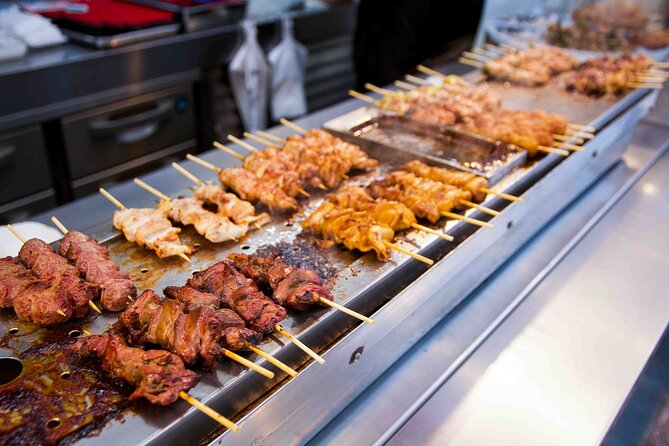
At $91.45 per person, you’re paying for more than seven bites. You’re paying for access, guidance, and a route that takes you into neighborhoods you might not choose on your own.
Here’s what’s included:
- Lunch: seven types of street food
- One free soda/pop
The hidden value is the setup work. Someone has already picked the vendors, timed the route, and built an order that makes sense for taste and pacing. And because you’re guided through shopping streets, you’re not standing around guessing menus or translating choices at every stall.
Not included: hotel pickup and drop-off. For many visitors, that’s fine. Tokyo’s transit is strong, and meeting at a known point makes the day easier. If you’re trying to keep costs tight, this tour still holds up because you’re not paying extra for each snack.
Also, the tour is often booked ahead (on average about 52 days in advance), so if your dates are fixed, don’t wait until the last week.
Who this tour is best for (and who should consider another plan)
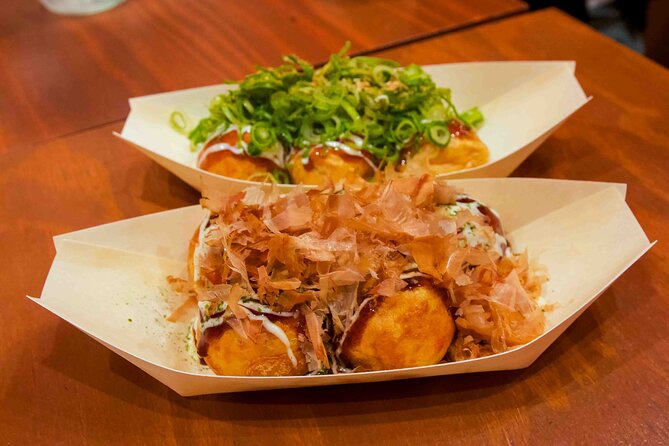
This is a great fit if you want Tokyo that feels lived-in. It’s especially good for:
- Food lovers who are tired of only seeing sushi and ramen as the default choices
- First-timers who want local context without spending hours researching neighborhoods
- Anyone who likes guided structure but still wants to walk at a comfortable pace
- People who enjoy chatting with a guide while they eat
It may be less ideal if:
- You hate walking or can’t handle steady city steps and standing time
- You’re only interested in full meals rather than snacks
- You want a more famous-sight, photo-stop style of tour
If you’re flexible, the route is designed to be enjoyable even if you don’t know what to eat before you arrive.
Final verdict: should you book this Tokyo street food tour?
Yes, I’d book it if your goal is to eat well in a neighborhood setting. The combination of a covered arcade start, Togoshi Ginza street shopping atmosphere, and seven distinct snacks makes it feel like a full experience in just about two hours.
Book it now if you’re traveling soon, because these small-group slots move quickly. And when you go, bring the right mindset: wear comfortable shoes, pace your appetite, and let the guide lead you through the choices. That’s where the value lives.
FAQ
How long is the Tokyo Street Food Tour?
The tour lasts about 2 hours (approx.).
How many foods do you try?
You’ll sample seven types of Japanese street food.
What does the tour cost?
The price is $91.45 per person.
How many people are in the group?
The tour has a maximum group size of 8 travelers.
What’s included in the price?
The tour includes lunch (7 types of street food) and 1 free soda/pop.
Where do you meet?
The start meeting point is Park City Musashikoyama THE MALL, 3-chōme-15-1 Koyama, Shinagawa City, Tokyo 142-0062, Japan.
Is hotel pickup or drop-off included?
No, hotel pickup and drop-off are not included.
Can I cancel for a full refund?
Yes. You can cancel for a full refund up to 24 hours before the experience starts.
Should you book this Tokyo street food tour?
If you want local Tokyo food in a small-group format, this tour is a strong pick. You get seven different snacks, guided stops in Musashi Koyama and Togoshi Ginza, and just enough food history to make the bites feel meaningful without slowing you down. I’d book it if you like street-level eating and you’re comfortable walking for about two hours with breaks at stalls.
Food & Drink, compared.
 ★ 5.0Shinjuku Food Tour (13 Dishes at 4 Local Eateries)From $866,603 reviews
 ★ 5.0Tokyo Tsukiji Fish Market Food and Culture Walking TourFrom $993,184 reviews
 ★ 4.9Shinjuku Food Tour (15 Dishes and 4 Eateries)From $852,033 reviews
 ★ 5.0Tsukiji Fish Market Food and Walking tourFrom $301,724 reviews
 ★ 5.0Eat and Drink Like a Local: Tokyo Ueno Food Tour-Taverns&RamenFrom $95957 reviews
 ★ 5.0Shibuya Food Tour (13 dishes and 4 Eateries)From $77770 reviews
★ 4.7Tsukiji Fish Market Food and Culture Walking TourFrom $96757 reviews
★ 5.0Shibuya Food Tour (13 dishes and 4 Eateries)From $77770 reviews
★ 4.7Tsukiji Fish Market Food and Culture Walking TourFrom $96757 reviews
 ★ 5.0Tsukiji Fish Market: Street Food & Culture Walking TourFrom $33669 reviews
Browse the lists this tour appears in