
Night Tokyo hits different.
This is the kind of experience where JDM culture feels real, not staged: you’re guided through the sights after dark while you see heavily tuned cars in the places where this scene lives. I especially like two things. First, the English-first guide (people like Mizuki and Yuto lead, and their English is reported as very strong) explains what you’re seeing and why it matters. Second, the time at Daikoku PA gives you that close-up parking-area atmosphere without the hassle of figuring it out alone. One consideration: Daikoku can close, and the plan may shift to Umihotaru, which can involve an extra cost depending on the situation.
What also works for me is that it’s more than sightseeing. You get picked up, driven around with commentary from the moment you enter the car, and you even have the option of an extra seaside stop if Daikoku isn’t available. You’ll end with views from the top of Rainbow Bridge and drop-offs in major areas like Shibuya and Akihabara, which makes it easy to keep your evening plans moving.
If you’re a car nut who wants the real night vibe, this tour is a strong value. If you’re traveling only for photos, or you’re traveling with someone who hates car culture, you might find the focus too narrow.
In This Review
- Key Things That Make This Night JDM Tour Worth It
- Tokyo Drift in Real Life: Why This Night Scene Tour Feels Authentic
- Price and Timing: What You Pay for (and Why It’s Not Just a Taxi Ride)
- Start of the Night: Pickup and the Autobacs Shinonome Stop
- Daikoku PA After Dark: The Parking Area That Defines the Scene
- Umihotaru PA as the Backup: Sea Views and a Possible Extra 5,000 Yen
- Rainbow Bridge and Shibuya Crossing: Night Tokyo, Car-Scene Style
- The Toyota Supra A80 Ride: How the Drive Becomes Part of the Story
- Where You End Up: Drop-Off in Shibuya and Akihabara
- Guide Style: Why Mizuki and Yuto-Led Tours Get the Big Smiles
- What to Bring, What Not to Do, and Who Should Skip This
- Should You Book This Daikoku Night JDM Tour?
- FAQ
- How long is the experience?
- What is the price per person?
- What stops are included during the tour?
- What happens if Daikoku PA is closed?
- Is Umihotaru always included?
- Are pickup and drop-off handled for you?
- What languages are the guides?
- Is this a private group?
- What should I bring and prepare?
- What age limits apply?
- Can I cancel for a refund?
Key Things That Make This Night JDM Tour Worth It
- Daikoku PA after dark: guided time in the center of the car scene, plus free time to soak in the atmosphere
- A strong English guide: Mizuki and Yuto show up in real stories, and the vibe is friendly and easy to talk with
- Tokyo sights with a car lens: Shibuya Crossing and Rainbow Bridge fit the night theme, not random stops
- Real automotive energy in the ride: you might hear and feel how loud certain Supras and modified setups can be through tunnels
- Flexible backup plan: Umihotaru PA can replace Daikoku if needed, with a note about the extra fee
- Private group comfort: less waiting around, more time actually spent where it counts
Tokyo Drift in Real Life: Why This Night Scene Tour Feels Authentic
Tokyo at night is about contrast. Neon streets, long lines of traffic, and then—when you arrive at the right places—the world shifts into something louder and more specific. This experience is built around the places where Japanese car culture concentrates, especially at night, when the mood changes and the streets feel like they belong to enthusiasts.
I like that you don’t just show up and wander. You’re guided, and the guide connects what’s happening on the road and at the parking areas with context—history and culture, plus geography. That matters because car meets can look chaotic if you don’t know what you’re looking at. With a guide, you get names, setups, and the meaning behind the scene.
And yes, the car energy can be loud. In real examples from the experience, people have mentioned a modified Supra with ITBs getting extremely loud in tunnel sections. That’s not something you can plan on like a museum ticket. But it fits the point: this is a night drive for people who want to hear the machines, not just stare at them.
One more thing: this is a private group. That keeps the pace comfortable and makes it easier to ask questions when you’re standing near the cars.
Price and Timing: What You Pay for (and Why It’s Not Just a Taxi Ride)
The price is listed at $196 per person for 3 to 4 hours. That’s the first thing to weigh: in Tokyo, time is expensive, and your evening options multiply fast. What you’re really paying for here is three layers of value.
First, you’re paying for local guidance in English (with Japanese also available). This helps with interpretation—what matters at Daikoku, what to notice in the car setups, and how the night routing connects spots like Shibuya and Rainbow Bridge.
Second, you’re paying for access and timing. Being driven to the right car-related stops at night can be tricky on your own. The tour organizes the sequence and keeps you from wasting time guessing.
Third, you’re paying for the ride experience itself. The booking information says they include a complimentary ride in their iconic Toyota Supra A80 as part of the experience. You’re also taken through the city with education while you’re moving, so your time isn’t split into sightseeing time plus separate transportation time.
So if your goal is only to take photos of cars, you may find a cheaper approach. But if your goal is to understand the scene and get the night drive with guidance and real stop time, this price is easier to justify.
Start of the Night: Pickup and the Autobacs Shinonome Stop
Your experience begins with pickup from your accommodation. The exact pickup location depends on the selected option, but the core idea is simple: you’re not forced to meet at some distant point while you’re already tired.
Soon after, you head to autobacs Shinonome for about 30 minutes of shopping and sightseeing. This stop is smart because it sets the tone. You get a chance to look at car goods in one of Japan’s big car-focused retail environments. Even if you don’t buy anything, it helps you orient your brain to the scene before you reach Daikoku.
Practical note: bring cash and a charged smartphone. The tour data explicitly asks for both, which is handy because Japan loves small payment moments that can be easier with cash on hand than cards.
Daikoku PA After Dark: The Parking Area That Defines the Scene
Then comes the main event: Daikoku Parking Area. You get about 1 hour there, including a guided tour plus free time, plus sightseeing and shopping time.
Daikoku is special because it’s not just a view. It’s a concentrated moment of the car world—machines lined up, people talking, and the sense that this is an actual meeting point, not just a roadside attraction. Being there with a guide helps you pick up details faster, like what types of cars you’re looking at and what the scene signals.
Free time matters here. A full hour lets you do two things:
- Look and learn during the guided portion
- Then spend time on your own photographing and watching the vibe
A possible drawback is also simple: Daikoku doesn’t behave like a normal attraction. It can close, and the plan may switch. That’s not a dealbreaker, but it’s the one part of the tour where your expectations should stay flexible.
Umihotaru PA as the Backup: Sea Views and a Possible Extra 5,000 Yen
If Daikoku is closed frequently, the plan uses Umihotaru PA as a backup. Umihotaru also gets about 1 hour of free time.
Here’s the money detail you should understand up front: the data says there’s an extra charge of 5,000 yen per person to go to Umihotaru unless Daikoku PA is closed. So:
- If Daikoku is closed, Umihotaru is your practical substitute
- If Daikoku is open, Umihotaru may be optional and cost extra
This actually makes sense. Umihotaru is farther and involves tolls and extra distance, so you’re not paying for the view alone—you’re paying for time and transport.
Is it worth it? If you want night ocean energy plus the same car-meet culture focus, it can be a great second act. If you’d rather stay strictly on the core car-meet target, you might prioritize Daikoku only and treat Umihotaru as a bonus.
Rainbow Bridge and Shibuya Crossing: Night Tokyo, Car-Scene Style
Between car-meet moments, you also get proper Tokyo landmarks designed for evening views.
You stop at the Great Shibuya Crossing in the center of Tokyo. You also get Rainbow Bridge sightseeing for about 30 minutes, including spectacular views from the top.
This part is valuable for two reasons. First, it grounds the night ride in the real city. You’re not only moving from meet to meet; you’re also seeing Tokyo’s most recognizable places. Second, it provides contrast. The car scene is loud and specific. Shibuya and Rainbow Bridge are Tokyo in motion—lights, traffic, and a skyline you can actually enjoy between stops.
If you hate crowds, Shibuya can feel intense. The tour includes sightseeing time, but it doesn’t promise a crowd-free experience. Come with the right expectation: this is a big-city stop.
The Toyota Supra A80 Ride: How the Drive Becomes Part of the Story
One of the best parts of this kind of tour is that you’re not wasting the ride time. The tour data says the education starts the moment you enter the car, and the guide gives insights during the drive, tied to Japan’s car culture and geographical history.
Also, the booking details mention they provide a complimentary ride in the Toyota Supra A80. That’s a fun detail because it frames the night as a performance of culture, not just transportation.
In real experiences from the group, people have described the driving as spirited, and they’ve talked about how modified cars can sound dramatically through tunnels. You might hear that kind of intensity—especially if your route includes tunnel sections and the car lineup is loud that night.
Important expectation: this is guided driving, not an activity where you’re controlling the vehicle. The data emphasizes compliance with professional guide standards for incidental transport under MLIT guidelines (No. 359). So the tour is about the experience and storytelling, not risky behavior.
Where You End Up: Drop-Off in Shibuya and Akihabara
The evening ends with drop-offs at four locations:
- Tokyo
- Shibuya City
- 秋葉原UDX (Akihabara UDX)
- Akihabara Electric Town
This is practical. Those are neighborhoods where you can keep moving after the tour without needing another long transit plan. If you’re already planning shopping, snacks, or last-night exploring, drop-offs in Shibuya and Akihabara make it easy.
Think of it as a “night out” format: car-meet moments, landmark views, then you get deposited in places that still have life after dark.
Guide Style: Why Mizuki and Yuto-Led Tours Get the Big Smiles
The guide matters a lot for tours like this, because car culture is detailed and personal. From the experience stories, the guides named Mizuki and Yuto come across as friendly, talkative, and confident in English, with people describing English as fluent.
That kind of guide turns the night from watching cars into learning how the scene thinks. When a guide can explain and then talk with you while you’re driving, you end up with the best parts of both worlds: entertainment plus understanding.
You also get a social layer. Some experiences include meeting the guide’s friends at Daikoku, which can be a big part of why the night feels special instead of transactional.
What to Bring, What Not to Do, and Who Should Skip This
This tour comes with a few clear rules, and it’s worth following them so the evening stays smooth.
Bring:
- Passport
- Camera
- Cash
- Charged smartphone
Don’t bring:
- Baby strollers
- Alcohol and drugs
Age limits:
- Not suitable for children under 11
- Not suitable for babies under 1
- Not suitable for people over 95
If you’re traveling with a child under 11, plan something else. This experience is focused on night car culture and sightseeing stops that won’t fit with stroller needs.
Should You Book This Daikoku Night JDM Tour?
Book it if:
- You’re a car person who wants to see the scene at night, not just read about it
- You care about an English-speaking guide who explains what you’re seeing
- You want both car-meet time at Daikoku PA and Tokyo landmark views like Shibuya and Rainbow Bridge
- You like the idea of riding in a Toyota Supra A80 as part of the experience
Skip it if:
- You only want quick photos and dislike guided time
- You’re traveling with someone who won’t enjoy car culture
- You can’t be flexible about the possibility that Daikoku may shift the plan to Umihotaru
If you match the first list, this is a great use of a few hours in Tokyo. The price buys you guidance, access to the scene, and a night drive that feels like it belongs to the city’s car world.
FAQ
How long is the experience?
It runs about 3 to 4 hours.
What is the price per person?
The listed price is $196 per person.
What stops are included during the tour?
The tour includes a car-related store stop at autobacs Shinonome, the Great Shibuya Crossing, Daikoku PA, and Rainbow Bridge sightseeing from the top.
What happens if Daikoku PA is closed?
If Daikoku PA closes, the plan goes to Umihotaru PA, which is described as the only parking lot on the sea in Japan.
Is Umihotaru always included?
No. The data says there is an extra charge of 5,000 yen per person to go to Umihotaru unless Daikoku PA is closed.
Are pickup and drop-off handled for you?
Yes. Pickup is from your accommodation, and there are drop-off locations in Tokyo, Shibuya City, 秋葉原UDX, and Akihabara Electric Town.
What languages are the guides?
The guide provides live commentary in English and Japanese.
Is this a private group?
Yes, it’s listed as a private group.
What should I bring and prepare?
Bring your passport, camera, cash, and a charged smartphone.
What age limits apply?
It is not suitable for children under 11, babies under 1, and people over 95.
Can I cancel for a refund?
Yes. Free cancellation is available up to 24 hours in advance for a full refund.
JDM Drift Car Experiences, compared.
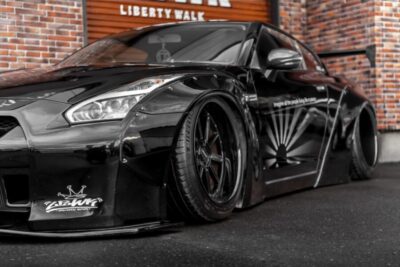 ★ 4.8GT-R35 800hp Club Membership – secret underground car meetFrom $205998 reviews
 ★ 4.8Fast & Furious Tokyo Drift 3 Experience (Kaila Yu SP)From $157947 reviews
Daikoku JDM Car Meet & Night Car Culture TourFrom $98626 reviews
★ 4.8Fast & Furious Tokyo Drift 3 Experience (Kaila Yu SP)From $157947 reviews
Daikoku JDM Car Meet & Night Car Culture TourFrom $98626 reviews
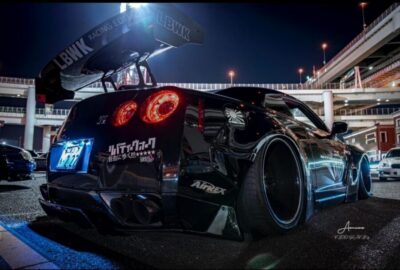 ★ 4.8Secret Car Meet: R34 Skyline Car Club MembershipFrom $236494 reviews
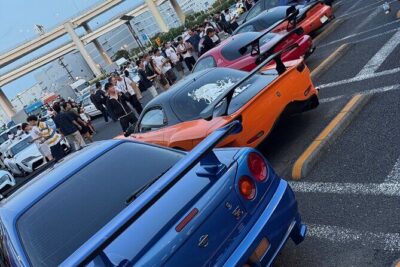 ★ 4.9EVO, WRX, Skyline – JDM Night Run to Daikoku Car MeetFrom $125478 reviews
 ★ 4.7Tokyo Drift: Daikoku PA Supreme Car Experience 大黒PAFrom $58372 reviews
 ★ 4.5Daikoku Car Club Temporary MembershipFrom $145275 reviews
 ★ 5.0Daikoku JDM Car Meet & Night Car Culture TourFrom $99232 reviews
Browse the lists this tour appears in