
Reviewed · ODAWARA
“Takigyo”Traditional Japanese Waterfall Training meditation
Your morning gets rewritten by water. This is Japan in a different key: Takigyo waterfall training mixed with temple purification—not just watching, but following a real ritual flow from start to finish.
I like how the day is built around calm instruction, starting with a quiet countryside temple and moving step by step toward the waterfall. I also love the small-group feel, with Kai-san and his team guiding you so you’re not lost in the experience. A potential drawback to plan for: you’re doing this early, you’ll get wet, and the whole thing depends on good weather.
In This Review
- Quick hits: what makes this Takigyo session special
- Odawara 7:30 a.m. pickup: why the start time matters
- Temple visit and purification ceremony: the “mind first” part
- Dressing for Takigyo: Dōgi robes and fundoshi for men
- The short walk to Sunset Falls: calm steps before the roar
- Waterfall meditation (Takigyo) under the stream
- Reflection and closing tea: what you do after matters
- GoPro video and the souvenir-free memory
- Price and value: is $143.34 fair for 4 hours?
- Weather and comfort: what to consider before you book
- Who this Takigyo training is best for (and who should skip)
- Should you book Takigyo in Odawara?
- FAQ
- What time does the Takigyo experience start?
- Where does the experience meet?
- How long is the experience?
- Is pickup and transportation included?
- What traditional clothing is provided?
- What should I bring?
- Are meals included?
- Is the experience limited in group size?
- What happens if weather is bad?
Quick hits: what makes this Takigyo session special
- Temple-led purification first so your mindset is set before you go under the falls
- Dōgi and fundoshi rental (including men’s fundoshi) so you’re in proper training attire
- Small group, max 4 people so the guidance stays personal
- Sunset Falls training at a sacred site with a short forest walk before the ritual
- Tea or warm drinks afterward for a proper landing instead of a hurried goodbye
- GoPro video filming so you get a record of the experience
Before you commit, see how this one stacks up against a few Odawara favourites:
- Odawara: Guided Ninja & Samurai Tour of Odawara Castle★ 5.0 · 25 reviews
- Forest Bathing in Temple and Enjoy onsen with healing power★ 5.0 · 17 reviews
- Odawara Castle and Town Guided Discovery Tour★ 5.0 · 15 reviews
Odawara 7:30 a.m. pickup: why the start time matters
The day begins with pickup at Odawara Station at 7:30 a.m. and includes round-trip transportation to the temple area. The whole experience runs about 4 hours on the clock, which is a nice sweet spot: long enough to feel like a full ritual, short enough to still enjoy the rest of your day in Kanagawa.
The early start also changes the vibe. You’re not competing with tour crowds on a big schedule. Instead, you’re getting to the temple area with quiet energy, which matters because Takigyo is less about performance and more about focus.
Also, this is a maximum of 4 travelers setup. That small group size is a big part of the value—there’s room for questions, corrections, and pacing so you don’t feel rushed or awkward.
Temple visit and purification ceremony: the “mind first” part
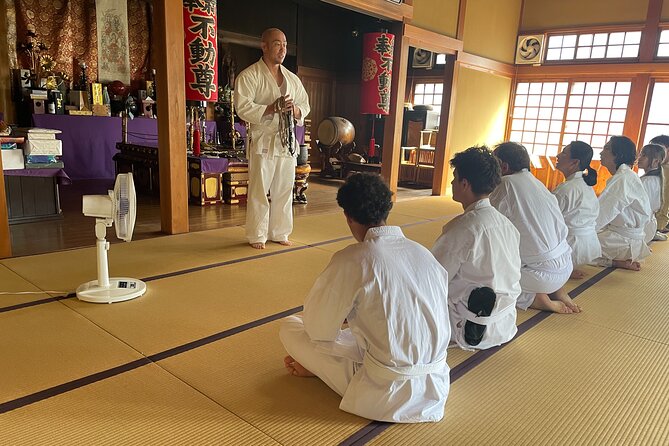
Before any waterfall action, you’ll visit a quiet countryside temple where a local monk leads a purification ceremony and prayer for safety and mindfulness. This isn’t “welcome fluff.” It’s the foundation of the experience.
I like this order because it gives you a reason to show up open-minded. Instead of jumping straight to the dramatic part, you’re asked to slow down and treat the ritual with respect. The Japanese/English speaking staff and the guided explanations also help you understand what you’re doing—so you’re participating, not just following movements.
If you’re the type who enjoys cultural context, this is where it clicks. You learn what the ritual is aiming for—calm attention and safety—before you step into water that can feel intense.
Dressing for Takigyo: Dōgi robes and fundoshi for men
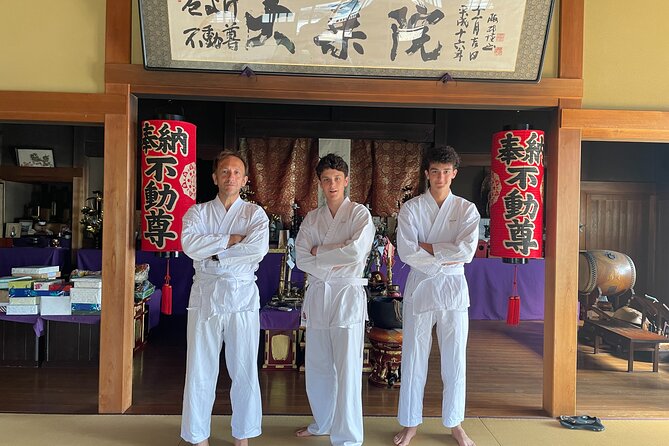
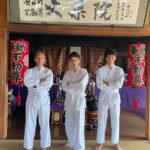
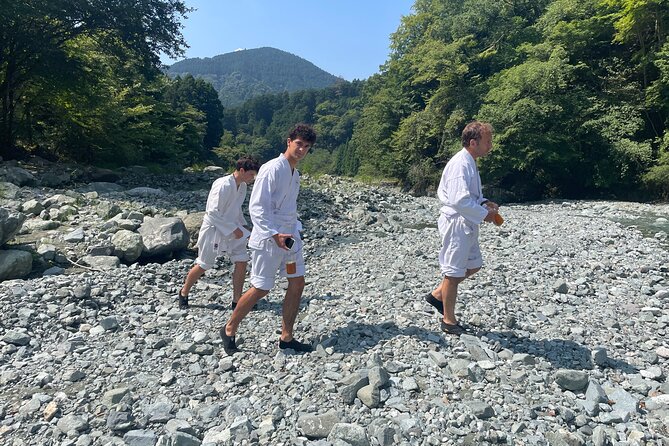
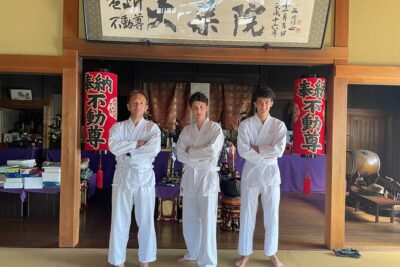
One of the most memorable practical parts is getting changed into traditional training attire. You’ll rent the Dōgi (traditional white robe), and for men the rental also includes fundoshi.
This is more than costumes. Dressing the part is part of the discipline of the session, and it helps you shift from your everyday tourist self into something closer to a practitioner’s routine. You’ll change at the temple, then walk out to the waterfall area still in your ritual clothes.
Two practical notes for your planning:
- You’ll want to bring your own change of clothes for after, since the rental covers your ritual attire.
- You’re doing this in the morning, so pick clothing you’re comfortable changing out of quickly and respectfully.
The short walk to Sunset Falls: calm steps before the roar
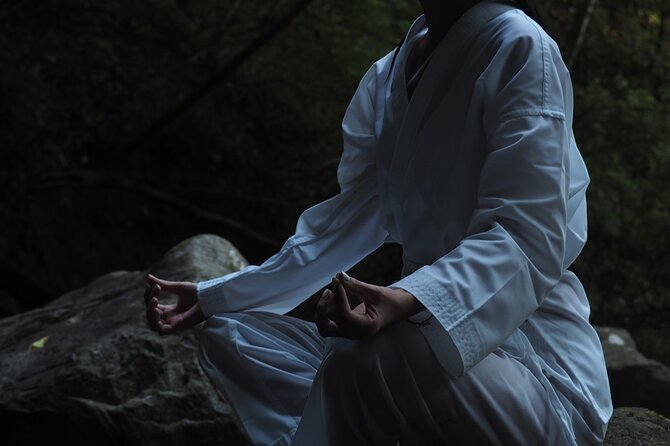
After the ceremony and dressing, there’s a short walk to the waterfall site. You move through serene forest paths toward a sacred spot, which is exactly what you want before standing in rushing water.
This walk helps you transition mentally. Your body gets into a slower rhythm, and you’re already outside, already surrounded by nature, before you meet the waterfall face-to-face. That matters because Takigyo is about breathing and presence, and the forest approach supports that.
Since the session is weather-dependent, the walk can be the first place you notice conditions. If it has rained, the path and the air can feel damp and cooler, so keep your expectations realistic.

Waterfall meditation (Takigyo) under the stream
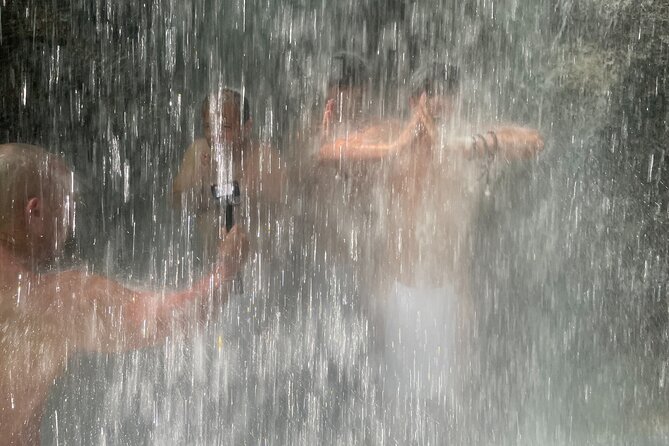
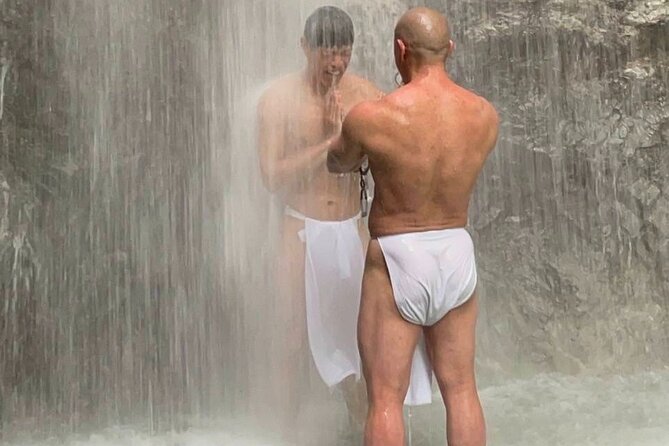
Now for the main event: stepping beneath the powerful stream of the waterfall for Takigyo meditation. The guidance emphasizes calm attention—breathe deeply, focus, and let the cleansing force of nature do its work while you connect with your inner self.
This is the moment most people remember because it’s physical and mental at the same time. The sensation of the water hitting your body is immediate. Your job is to keep your mind steady while your body reacts.
One thing I appreciate about the setup is that it’s not presented as a solo “good luck” task. Your guide and the staff are there for cultural explanation and safety-related framing from the temple stage. And because the group is small, you’re less likely to feel like you’re being handed off to the elements.
The format also includes a real training feel. You’re not just getting a photo under a waterfall. You’re doing a ritual sequence, with a start, a meditation moment, and a closing.
Reflection and closing tea: what you do after matters
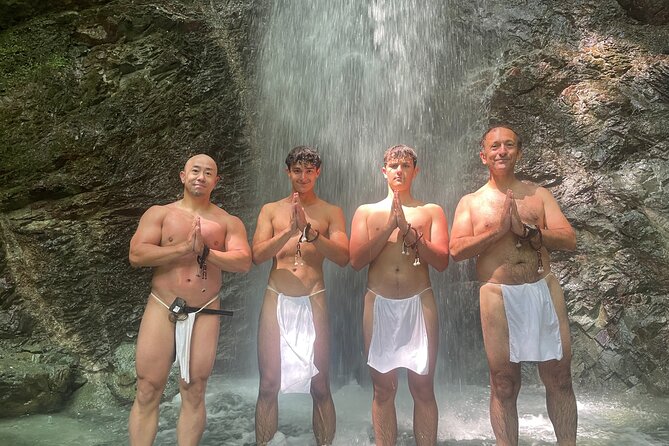
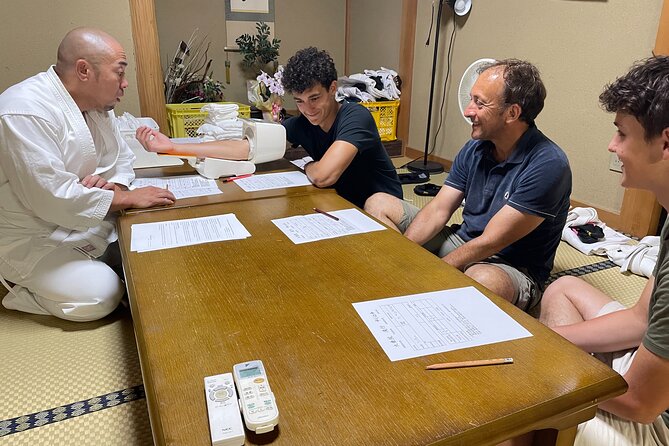
After the waterfall ritual, you’ll have time to dry off, reflect, and enjoy tea or warm drinks with your guide and fellow participants. That closing period is a big deal for value.
Why? Because if the experience ended the second you came out of the water, you’d still be buzzing—cold, wet, and half in your head. The tea and reflection give you a controlled landing. It helps the whole morning feel intentional rather than chaotic.
Also, if you’re someone who likes to ask questions, this is the part of the day where it’s easiest. The guides can connect what you just did to the cultural meaning behind it, without the pressure of rushing to the next step.
GoPro video and the souvenir-free memory
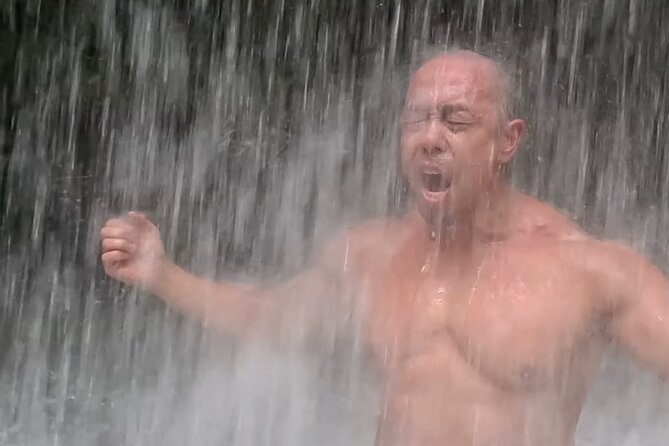
You’ll be filmed on GoPro during the experience. That’s included, and it’s a practical kind of keepsake: you don’t have to rely on shaky phone footage to remember the most intense part of the morning.
Just keep expectations grounded. The value here is documentation and a shareable record, not a professional cinematic production. If you want a higher-quality personal photo set, you’ll still want to use your own camera when allowed—but this tour already provides a recorded view of the ritual moment.
Price and value: is $143.34 fair for 4 hours?
At $143.34 per person, this isn’t a budget “walk-up and watch” activity. But for what’s included, the value is strong if you care about the ritual side.
Here’s what you’re paying for, in practical terms:
- Pickup at Odawara Station (7:30 a.m.) plus round-trip transportation
- A Japanese/English speaking staff guiding the experience and explanations
- Rental of traditional outfit (Dōgi, and fundoshi for men)
- Temple safety prayer plus guided cultural context
- Video filmed on GoPro
- A small group size (max 4), which improves the quality of instruction and pacing
When you break it down, the cost is covering access and instruction to something niche. You’re not just touring; you’re joining a ritual structure: purification, change, approach, meditation, and closing.
If you only want scenery, you may decide this is too much money. If you want participation and calm cultural immersion, it starts to feel like a good deal.
Weather and comfort: what to consider before you book
This experience requires good weather. If it’s canceled due to poor weather, you’ll be offered a different date or a full refund. That’s fair, but it also means you should treat your schedule as a flexible morning plan.
Comfort is the other big factor. You will step into waterfall conditions, then dry off and enjoy warm drinks afterward. Even if you’re fit, expect this to feel intense and cold for part of the session.
So I’d book it if you can handle:
- early mornings
- getting wet during the ritual moment
- a serious, quiet tone rather than a party vibe
Skip it—or at least think hard—if you strongly dislike cold water or tight schedules that don’t allow weather-based changes.
Who this Takigyo training is best for (and who should skip)
This is ideal if you’re after the more authentic side of Japan—not in the sense of “more real than everything else,” but in the sense that you’re joining a practice with clear steps and cultural meaning.
You’ll probably enjoy it most if you:
- like structured cultural activities with a guide
- enjoy early starts when the world is calmer
- want a memorable physical-mind experience, not just photos
- appreciate small groups and clear instruction
It’s less ideal if you want a casual, drop-in attraction or if you expect a typical sightseeing pace.
Should you book Takigyo in Odawara?
If your Japan trip has room for one experience that feels different, I’d seriously consider booking Takigyo at Sunset Falls. The value is in the full ritual sequence—temple purification, proper training attire, the waterfall meditation moment, and a grounded closing with tea.
Book it especially if you like experiences with a clear purpose and you’re comfortable with wet, early, and quiet. If cold water and weather uncertainty would stress you out, choose a different activity.
FAQ
What time does the Takigyo experience start?
It starts at 7:30 a.m., with pickup at Odawara Station.
Where does the experience meet?
The meeting point is Odawara Station.
How long is the experience?
It runs for about 4 hours (approx.).
Is pickup and transportation included?
Yes. Round-trip transportation to the temple area is included.
What traditional clothing is provided?
You’ll rent a Dōgi. For men, the rental includes fundoshi.
What should I bring?
You should bring your own change of clothes for after the activity. The tour also notes you should have your own travel insurance.
Are meals included?
No meals before or after the activity are included.
Is the experience limited in group size?
Yes. The maximum group size is 4 travelers.
What happens if weather is bad?
The experience requires good weather. If it’s canceled due to poor weather, you’ll be offered a different date or a full refund.
More Tour Reviews in Odawara

Fresh reviews from around Odawara
Odawara, compared.
 ★ 4.2Odawara: Odawara Castle Tenshukaku Entrance TicketFrom $330 reviews
 ★ 5.0Odawara: Guided Ninja & Samurai Tour of Odawara CastleFrom $11625 reviews
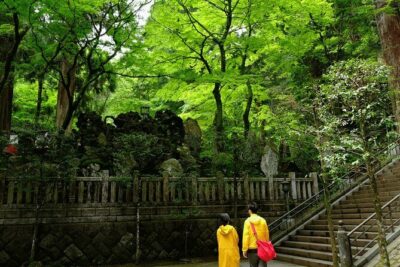 ★ 5.0Forest Bathing in Temple and Enjoy onsen with healing powerFrom $10417 reviews
 ★ 5.0Odawara Castle and Town Guided Discovery TourFrom $9815 reviews
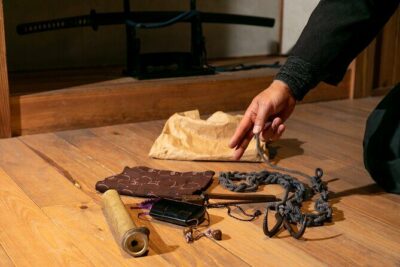 ★ 5.0Ninja, Samurai, Odawara Castle ExperienceFrom $1559 reviews
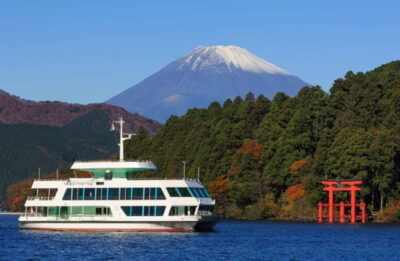 ★ 4.4Fuji,Hakone Ropeway/Cruise/Shinkansen Ride w/lunch frm TokyoFrom $1297 reviews
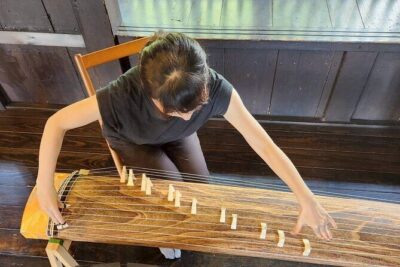 ★ 5.0Japanese Traditional Music ExperienceFrom $455 reviews
 ★ 5.0Odawara: Odawara Castle and Town Guided Discovery TourFrom $1164 reviews
Browse the lists this tour appears in