
Reviewed · ODAWARA
Japanese Traditional Music Experience
There is something oddly satisfying about learning a new instrument in one focused hour. In Odawara, you’ll sit down for a hands-on Japanese traditional music experience centered on the koto, learn the basics, and then actually play. I like how the format is simple: explanation, guided practice, an instructor performance, and a photo moment.
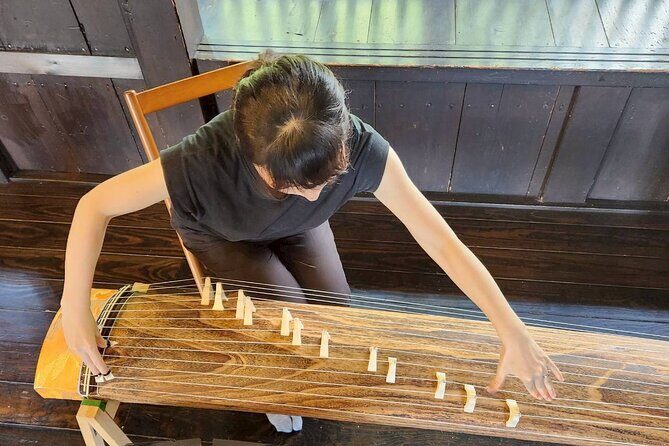
Two things I especially like: the lesson is designed for complete beginners, and the instrument setup is included (koto rental plus tools). One thing to consider: you’ll use the Japanese seiza sitting posture during the class, but chairs are prepared if you aren’t comfortable.
In This Review
- Key things you’ll notice
- Settling in at Odawara-juku Nariwai Exchange Center
- Koto 101: history first, then technique
- Hands-on practice: learning the motions and sounding good
- Instructor performance and the photo session
- Price and value: what $45.53 actually buys you
- Who should book, and who should skip?
- FAQ
- FAQ
- How long is the Japanese traditional music experience with the koto?
- Where does the class meet in Odawara?
- What is included in the price?
- Do I need to bring the instrument or any special equipment?
- Are shoes required during the lesson?
- Will I have to sit in seiza the whole time?
- Is there a limit on group size?
Key things you’ll notice
- Small group size (max 3) means you can get one-on-one-style guidance
- Shoes off when you enter the music room
- Seiza posture with chair backup so you can choose what works for you
- Rental koto + playing tools included in the price
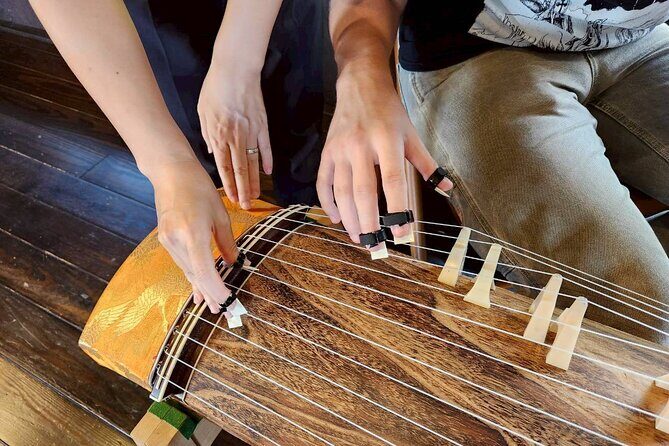
- Special attachment nails are used to help you learn the right technique
- Instructor performance + photo session ties the lesson together visually
Before you commit, see how this one stacks up against a few Odawara favourites:
- Odawara: Guided Ninja & Samurai Tour of Odawara Castle★ 5.0 · 25 reviews
- Forest Bathing in Temple and Enjoy onsen with healing power★ 5.0 · 17 reviews
- Odawara Castle and Town Guided Discovery Tour★ 5.0 · 15 reviews
Settling in at Odawara-juku Nariwai Exchange Center
This experience starts at Odawara-juku Nariwai Exchange Center in Honchō, Odawara. If you’re using public transit, this is the kind of location that makes day-trip life easy—you’re near transportation, and the activity ends back at the same meeting point. The total time is about one hour, so it’s a smart choice when you want culture without losing half a day.
When you arrive, you’ll take off your shoes. That’s not a surprise in traditional settings in Japan, but it matters for planning—wear socks you’re comfortable in, because you’ll be sitting for the lesson. Then comes the posture: during the class you’ll use seiza, the traditional kneeling style. If seiza is hard for your body, tell the instructor right away; chairs are available. This is a practical detail that really changes the whole experience. You’ll learn faster when you’re not fighting discomfort.
The class is also intentionally small, with a maximum of 3 travelers. That’s a big deal for a beginner music lesson. You’re not competing with a big group for attention, and you’re more likely to get quick fixes when something feels awkward—like hand placement or the timing of plucking.
Finally, you’ll get a mobile ticket, which usually means less paperwork and less fuss on the day you go.
Koto 101: history first, then technique
The heart of the lesson is the koto, a Japanese traditional string instrument with a long, calming tone. You’ll begin with an introduction that covers basics and gives context for what you’re about to do. That matters more than it sounds. When you understand what you’re hearing—why the sound is produced the way it is—you stop treating the lesson like random notes and start treating it like a real instrument.
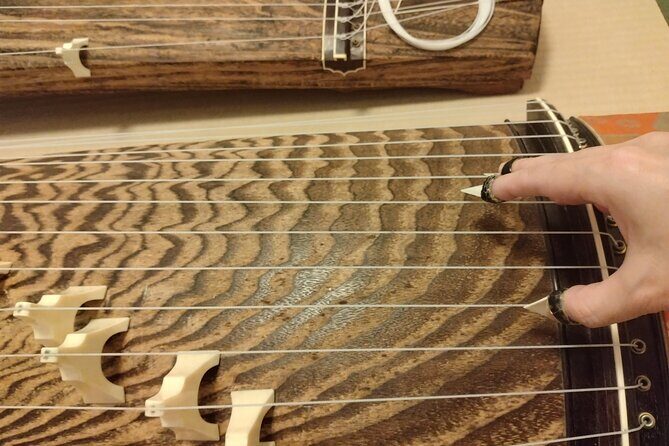
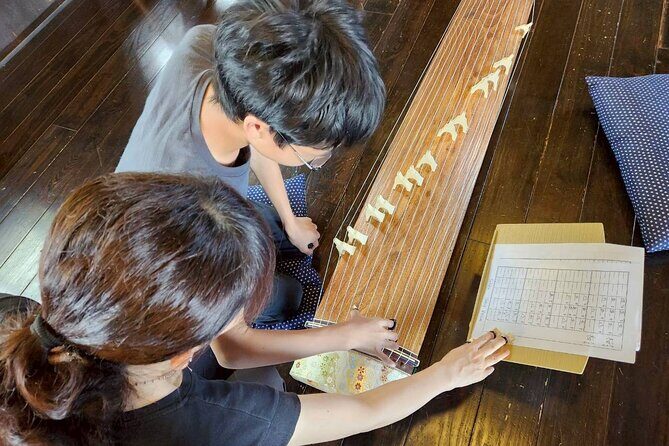
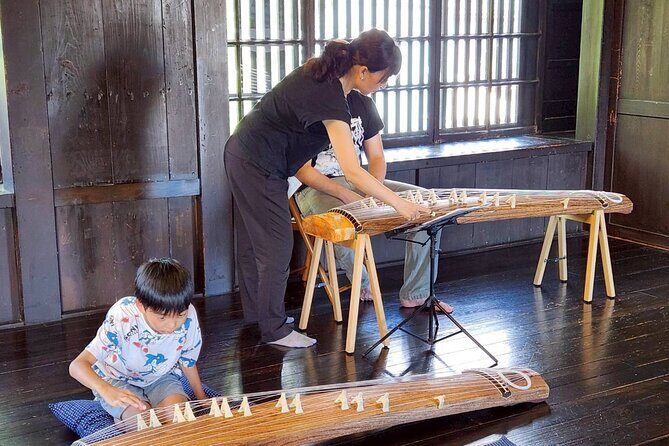
The instructor, Akiko sensei, explains what the koto is and how its sound works. Then you move into technique. Here’s the key practical part: you’ll learn using special attachment nails. These aren’t just a gimmick. They help beginners produce sound with the right motion and makes it easier to get a tone that feels like music rather than noise.
The lesson structure is thoughtful: explanation first, then guided practice. You’re not just handed an instrument and told to figure it out. And since the goal is that you leave able to play something, the instruction focuses on repeatable actions—what your hand should do, when to pluck, and how to coordinate movement without overthinking.
If you’ve played other string instruments, you might feel an instant connection—strings are strings, right? But the koto has its own rhythm and physical approach, and you’ll learn its version of timing. If you’ve never played anything, that’s fine too. The class is built for beginners, and the pace is designed so you can succeed even if it looks challenging at first glance.
Hands-on practice: learning the motions and sounding good
After the basics, you’ll actually play. This is where the experience becomes memorable, because the transition from listening to producing your own sound is fast. The format includes instruction, then time to try. That means you’re not stuck waiting for the instructor to finish—your hands get involved right away.
Akiko sensei teaches in a step-by-step way, and that’s a huge advantage for nervous first-timers. One of the most praised parts of this class is how she adapts the experience to your level. For example, even people who usually play other string instruments (bass, ukulele, and similar) have said the koto feels uniquely beautiful while still being approachable. For complete beginners, that same approach matters: you’re guided one move at a time, so you can focus on accuracy and tone.
You’ll also learn an easy piece so you can taste success quickly. This is the kind of setup that keeps you motivated. With some beginner music lessons, you spend the whole time mastering tiny technical details and never feel like you’ve accomplished anything. Here, you get to sound like you’re playing a real song, not just practicing.
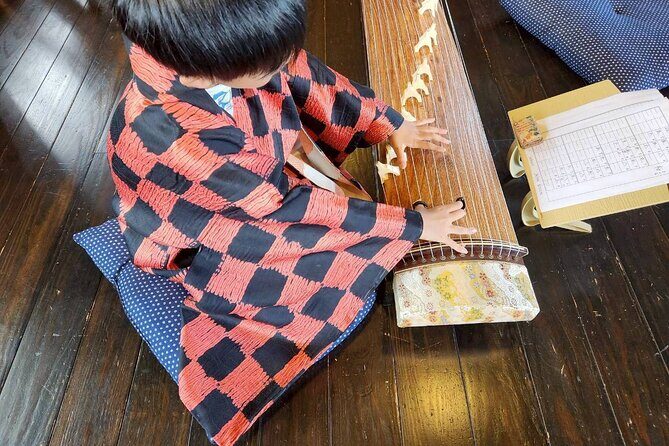
One subtle but important benefit is how the lesson helps you look more confident. The instruction isn’t only about producing sound—it also gives you simple technique cues that make your posture and motion feel correct. That’s why even young learners and families can do well in this class.
And yes, the koto can produce a tone that feels lustrous and special. You’re not just making a noise—you’re learning a sound world that’s distinctly Japanese. When you hear it working under your own hands, the class clicks.
Instructor performance and the photo session
Once you’ve had time to practice, you’ll get a performance by the instructor. This isn’t filler. It’s a chance to hear what you’re aiming for, using the same instrument and technique you just handled. In other words, it closes the loop. You practice the motions, then you hear how those motions shape the music.
The performance also gives you something practical: a clearer idea of tempo, expression, and how the koto’s voice fills the room. If you’re the type who likes to understand what comes next, this part gives you that target.
After the performance, you’ll have a photo session. This is the right kind of souvenir. It isn’t just a random selfie moment—it captures the main reason you came: you with the instrument, in the middle of the experience. For families especially, this can be the moment that makes the whole hour feel real when you look back later.


Price and value: what $45.53 actually buys you
At $45.53 per person, this is not a cheap activity in the way a street-food snack is cheap. But it also isn’t a high-friction, high-cost tour. The value comes from what’s included and how much attention you get.
Your price covers:
- Rental fee of the koto (and the tools for playing)
- Instruction fee
So you’re not paying extra to handle the instrument or to get the lesson materials. For a koto workshop, that’s a big part of the real cost. Also, the class lasts about an hour, which is long enough to learn something specific and leave with a small achievement.
The one thing not included is private transportation. That’s common, but it still matters. You’ll want to plan your day so you can reach Odawara-juku Nariwai Exchange Center by public transit or on foot, since the class itself is self-contained.
One practical timing note: on average, people book about 60 days in advance. That doesn’t mean you must book that early for every date, but it signals that this is a limited-capacity experience. With a maximum group size of 3, you’re competing for a spot.
Who should book, and who should skip?
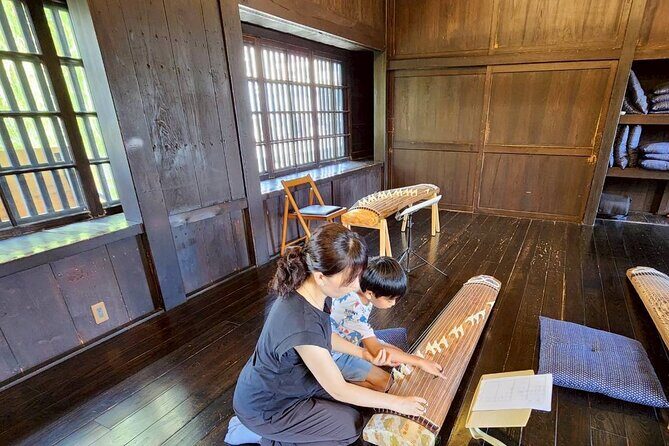
This experience is a strong fit if you want hands-on Japanese culture with real instruction—not a passive demo. It’s also a great choice if you like music and want an easy-to-follow way to try something new. Beginners are actively supported here, and the small group size makes it feel like a lesson more than a show.
Families can do well too. The seiza note can be the only speed bump, but chairs are prepared if you need them. For kids and adults learning together, the structure works: explanation, practice, then a payoff in performance and photos.
You might want to choose something else if:
- you need a lesson that never involves seiza (even with chairs, you should confirm what you prefer)
- you’re looking for a long, multi-session deep study (this is one focused hour)
- you dislike hands-on activities in general
If you’re in Odawara and want a memorable cultural activity you can explain later without sounding like you went to a museum gift shop, this koto class is a very direct hit. You’ll walk away knowing what a koto is, how it’s played using attachment nails, and you’ll have your own small moment of musical success to remember.
FAQ
FAQ
How long is the Japanese traditional music experience with the koto?
It runs for about 1 hour (approx.).
Where does the class meet in Odawara?
The meeting point is Odawara-juku Nariwai Exchange Center, 3-chōme-6-23 Honchō, Odawara, Kanagawa 250-0012, Japan.
What is included in the price?
The price includes rental of the koto and tools for playing, plus the instruction fee.
Do I need to bring the instrument or any special equipment?
No. The koto rental fee and tools for playing are included.
Are shoes required during the lesson?
No. You will take off your shoes when you enter for the music lesson.
Will I have to sit in seiza the whole time?
During the activity you’ll use Japanese seiza posture, but if you aren’t comfortable, let the instructor know. Chairs are prepared.
Is there a limit on group size?
Yes. This activity has a maximum of 3 travelers.
More Tour Reviews in Odawara


Fresh reviews from around Odawara
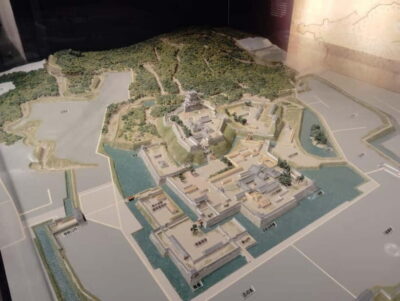
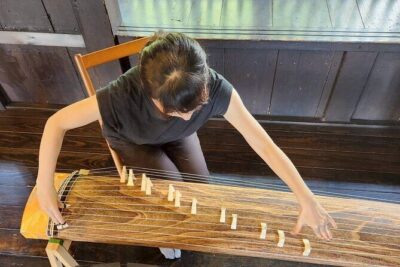
Odawara, compared.
 ★ 4.2Odawara: Odawara Castle Tenshukaku Entrance TicketFrom $330 reviews
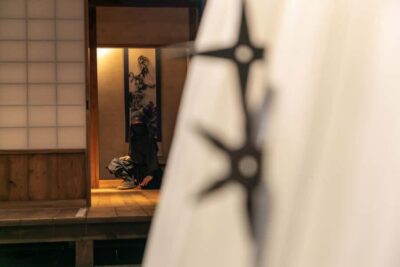 ★ 5.0Odawara: Guided Ninja & Samurai Tour of Odawara CastleFrom $11625 reviews
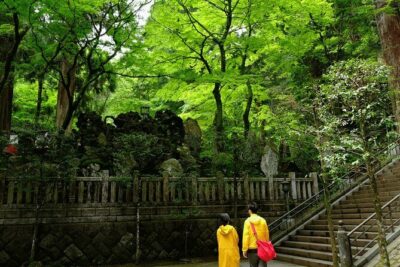 ★ 5.0Forest Bathing in Temple and Enjoy onsen with healing powerFrom $10417 reviews
 ★ 5.0Odawara Castle and Town Guided Discovery TourFrom $9815 reviews
 ★ 5.0Ninja, Samurai, Odawara Castle ExperienceFrom $1559 reviews
 ★ 4.4Fuji,Hakone Ropeway/Cruise/Shinkansen Ride w/lunch frm TokyoFrom $1297 reviews
 ★ 5.0“Takigyo”Traditional Japanese Waterfall Training meditationFrom $1436 reviews
 ★ 5.0Odawara: Odawara Castle and Town Guided Discovery TourFrom $1164 reviews
Browse the lists this tour appears in