
Shinjuku at night can feel like a maze. This tour turns it into a guided walk with real food and drink stops, ending in the eye-catching chaos of Golden Gai.
What I like most is that you’re not just pointed at places—you get an on-the-ground sense of local habits, plus a steady rhythm of tastings that keeps things moving for 3 hours of eating and sipping.
Two things I strongly like: you’ll try at least 6 dishes (think chicken skewers, okonomiyaki, gyoza, and more), and the guide is live and in English, with a knack for explaining what you’re eating so it actually lands. People often rave about guides like Emma, Ryo, and Miharu for making it feel friendly instead of awkward.
The main drawback to plan around is timing. If you’re more than 10 minutes late without notice, your tour can be cancelled, so you’ll want to be early and ready to walk in comfy shoes.
In This Review
- Key things to know before you go
- Why Shinjuku’s backstreets are the real story
- Price and value: what $87 covers (and why it matters)
- The meeting area: Nishi-Shinjuku to start, Golden Gai to finish
- The 3.5-hour rhythm: beer, snacks, and 6+ dishes
- Stop in Omoide Yokocho: alley food where the lights feel closer
- Kabukicho time: the neon megaphone, handled with a plan
- Hanazono Shrine: a surprising pause from the noise
- Golden Gai: tiny bars, big vibe, and a proper send-off
- What the guides do differently (and why it shows)
- Tips to enjoy the night without stress
- Who should book this Shinjuku Hidden Local Bars tour?
- Should you book this tour?
- FAQ
- FAQ
- How long is the Shinjuku hidden local bars tour?
- What language is the live guide?
- What’s included in the price?
- What should I wear or bring?
- Where does the tour start and end?
- Is transportation included?
- Can I cancel and get a refund?
- What happens if I’m late or if they can’t contact me?
Key things to know before you go
- 6+ dishes in one night: skewers, okonomiyaki, gyoza, and other local bites get you past tourist basics
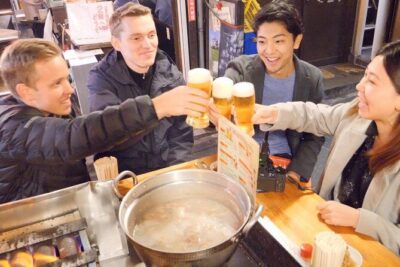
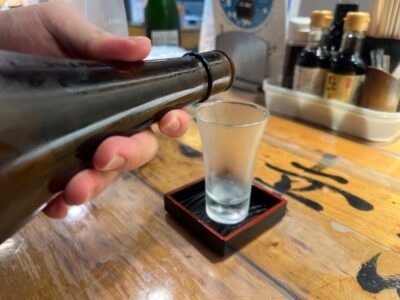
- Alcohol included: beer and drinks are part of the experience, not an add-on
- Small-group feel: you can book private or small groups, which usually means more interaction with the guide
- Golden Gai as the finale: you end in a maze of tiny bars that’s easier to enjoy with context
- 3 food stops, 3 hours eating: the schedule is built for tasting without feeling rushed or lost
- Walking-heavy evening: comfy shoes matter, and you should be on time
Why Shinjuku’s backstreets are the real story
Shinjuku gets a reputation for neon, noise, and crowds. That can be fun, sure—but it’s also easy to miss the smaller lanes where locals actually unwind. This tour is built to help you read those spaces: how to order, what to expect from izakaya-style drinking, and what “a casual night out” looks like in Tokyo.
You’re also in the right mood for it. Shinjuku after dark is where strangers become chatty, menus get friendly, and a bar can be both tiny and full of personality. The route is designed so you don’t just jump between famous spots. You get a progression that feels natural: alley energy first, then bigger nightlife zones, then a quieter punctuation point, and finally Golden Gai.
Price and value: what $87 covers (and why it matters)
$87 per person is not cheap, but it can be good value for a night out in Tokyo—mostly because you’re paying for guidance that solves real friction: language barriers, figuring out what to order, and knowing which venues fit the group.
Here’s what you get that reduces your own guesswork:
- Local guide leading the night
- Alcoholic beverages included
- 3 food stops (with at least 6 different dishes across them)
- Photos so you don’t spend the whole night juggling your phone
Not included is transportation costs and hotel pickup/drop-off. That means you’ll still handle getting to the meeting point—but once the tour starts, your food and drinks are handled. For many people, that’s what makes the price feel fair: you’re not paying extra at every stop, and you’re not wasting time trying to decode menus while everyone else moves.
The meeting area: Nishi-Shinjuku to start, Golden Gai to finish
You meet in Nishi-Shinjuku to kick things off, and the exact meeting point can vary based on which starting option you book. From there, the evening is a mix of walking and short hops that keep you from spending the night stuck in transit.
Practical tip: if you’re anything like me, you’ll pack too many layers, then regret it once you hit the street heat. Tokyo bar-hopping tends to be fast-moving and on your feet, so plan light and wear comfortable shoes. Also, be ready to move right away when the guide calls the group—this is not a tour where everyone strolls at their own pace.
The 3.5-hour rhythm: beer, snacks, and 6+ dishes
The center of the night is the food-and-drink stretch. You get about 3 hours specifically for beer, dinner, local snacks, and food tasting. The goal is simple: you should leave having tried enough different things that Shinjuku tastes like Shinjuku.
The dish lineup includes clear crowd-pleasers:
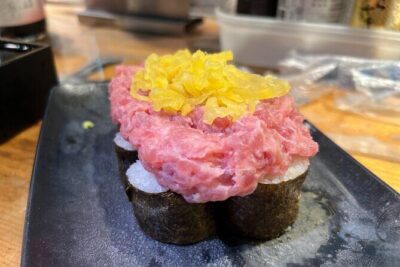
- Chicken skewers (easy to love, easy to share)
- Okonomiyaki (savory, griddled, and very Tokyo-night)
- Gyoza (juicy, crisped, and usually gone fast)
- Plus additional dishes beyond those three, so you get variety rather than repeats
And the way the tour is set up matters. A lot of solo food nights in Tokyo feel like guess-and-go: you choose a place, order something safe, and hope it’s great. Here, the pacing is meant to keep you trying multiple styles in a single evening, which is exactly what you want if it’s your first time in Shinjuku nightlife.
Stop in Omoide Yokocho: alley food where the lights feel closer
Early on, the tour shifts toward Omoide Yokocho—a classic alley setting where the atmosphere is part of the meal. This is one of those places where you can feel the difference between walking through a neighborhood and stepping into someone’s nightly routine.
What to expect here is “local” in a very practical sense: snacks and casual bites with an izakaya vibe. You’re likely to start getting comfortable with the pace—arrive, order, taste, chat, move. If you’ve ever felt nervous ordering in Japan, this kind of start helps you get over that hump quickly because the guide handles the flow and you can focus on enjoying what’s in front of you.
Kabukicho time: the neon megaphone, handled with a plan
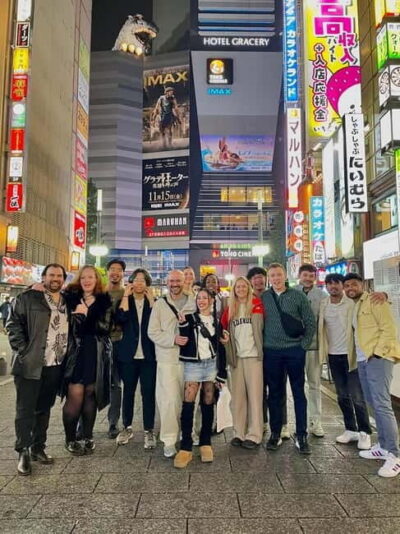
From there you head into Kabukicho, the big nightlife zone that’s both exciting and chaotic. The tour gives you about 2 hours in this area, including time around the Godzilla Head landmark (the tour route references the well-known Shinjuku East Tower area).
This part of the night is less about finding one perfect quiet spot and more about seeing how varied the nightlife really is. Kabukicho can look like one giant scene, but the details are what matter: different venue styles, different crowd energy, and the way people move between streets and entrances.
A small caution: Kabukicho is busy. If you don’t like crowds, you might want to mentally brace for movement and noise. The upside is that the guide keeps you from getting swept into random choices. You get variety without turning the evening into a stressful maze.
Hanazono Shrine: a surprising pause from the noise
Then there’s a tonal shift. The route includes Hanazono Shrine, which acts like a breather after all that neon. It’s a good reminder that Shinjuku nightlife isn’t only about bars and streets—it also sits beside sacred spaces and calmer pockets.
Why this stop works on a food tour: it resets your attention. After a night of eating and drinking, your brain can use a minute to re-orient. You’ll also likely appreciate the contrast visually. It makes the whole evening feel less like a straight line from one drink to the next.
Golden Gai: tiny bars, big vibe, and a proper send-off
The finale is Shinjuku Golden Gai, where the streets turn into a collage of micro-venues. This is the part of the tour that many people are excited about—because it’s one thing to see it from outside, and another thing to understand how to experience it.
Golden Gai is known for small spaces and many doorways. That’s exactly why ending here with your guide makes sense: you’re not just wandering. You’re there with context and a finish that feels intentional.
The tour ends with you disbanding with the guide in Golden Gai. So plan to linger after if you want, but also give yourself space to enjoy it slowly. Golden Gai can be tempting to rush through, yet the whole point is to pause and let the atmosphere land.
What the guides do differently (and why it shows)
A big theme from strong experiences on this style of tour is the guide’s ability to turn food into understanding. People consistently mention that the guide explains what you’re eating and why it’s a good fit, instead of treating tastings like a checklist.
Guides like Emma and Miharu stand out in the way they make the night social. Some guides also bring extra cultural framing, which matters when you’re in places where local norms affect the vibe. It’s especially helpful when you hit a venue and your brain wants to ask, “Okay, how do I do this here?”
And because this is a small group or private option, you’re more likely to get interaction instead of watching the guide herd people from behind. If you want your night in Shinjuku to feel personal, that’s a big reason to choose this format.
Tips to enjoy the night without stress
Here’s how I’d set yourself up for a smooth evening:
- Arrive early. The late rule is real: if you’re late by more than 10 minutes without notice, the tour can be cancelled.
- Keep your pace flexible. Some parts move faster than others, especially through busy nightlife zones.
- Treat it like a guided order workshop. Even if you’re not sure what you want, watch how the guide steers things, then follow the flow.
- Don’t overplan after. You’ll finish in Golden Gai, which can easily pull you into “one more stop” mode.
- Go with a curious mood. This kind of food tour works best when you let the guide lead and you focus on tasting and conversation, not perfect control.
Who should book this Shinjuku Hidden Local Bars tour?
This tour fits best if you want:
- A first-timer friendly introduction to Shinjuku nightlife without the stress of choosing every place yourself
- A food-focused night that includes multiple dish types, not just snacks
- A guided solution to language friction, especially in compact venues like Golden Gai
It’s also a good match if you like social travel. The tour mixes bars and food stops, and the guide plays a big role in keeping the atmosphere relaxed and welcoming.
Should you book this tour?
If you’re heading to Shinjuku for your first big Tokyo nightlife night, this is a smart way to do it. The value comes from the mix of alcohol + multiple dish tastings + a guide who helps you navigate. Ending in Golden Gai is the right choice because it’s visually intense and easier to enjoy when you understand what you’re seeing.
The one reason to hesitate is if you hate schedules or tight timing. With the late rule and a walking-heavy evening, you’ll want to be disciplined and punctual. If that sounds like you, book it. If you want a slower, completely self-directed night, you might prefer a looser bar crawl on your own.
FAQ
FAQ
How long is the Shinjuku hidden local bars tour?
The tour lasts 210 minutes, which is about 3 hours and 30 minutes.
What language is the live guide?
The live tour guide speaks English.
What’s included in the price?
It includes a local guide, alcoholic beverages, 3 food stops, and photos.
What should I wear or bring?
Bring comfortable shoes since you’ll be walking during the tour.
Where does the tour start and end?
You start in Nishi-Shinjuku (meeting point may vary depending on the option booked). The tour ends and you disband with the guide in Shinjuku Golden Gai.
Is transportation included?
No. Transportation costs and hotel pickup and drop-off are not included.
Can I cancel and get a refund?
Yes. You can cancel up to 24 hours in advance for a full refund.
What happens if I’m late or if they can’t contact me?
If you’re more than 10 minutes late without notice, the tour can be cancelled. Also, if there is no contact 6 hours before the tour starts, the tour is cancelled and you get a full refund.
Shinjuku Bar Hopping, compared.
 ★ 5.0Shinjuku Food Tour (13 Dishes at 4 Local Eateries)From $866,603 reviews
 ★ 5.0Tokyo Bar Hopping Tour in Shinjuku (All-You-Can-Drink + Dinner)From $1063,587 reviews
 ★ 4.9Shinjuku Food Tour (15 Dishes and 4 Eateries)From $852,033 reviews
 ★ 4.9Shinjuku Local Bar and Izakaya Guided Walking TourFrom $341,794 reviews
 ★ 5.0Tokyo Shinjuku Chopsticks Making ClassFrom $201,763 reviews
 ★ 5.0Tokyo Shinjuku Sumo Show & Experience with PhotoFrom $791,750 reviews
 ★ 5.0Tokyo Night Foodie Tour in Shinjuku – Seasonal Sushi, Wagyu BeefFrom $1111,161 reviews
 ★ 4.8Sumo Show and Experience in ShinjukuFrom $691,001 reviews
Browse the lists this tour appears in