
Reviewed · YOKOHAMA TOURS
Ramen,Gyoza,Udon,Tempura-Making experience in Japanese home
Cooking in a Japanese home changes the math.
This private Yokohama lesson with Mana Home Made Cooking in Japan feels less like a class and more like being invited for lunch—Japanese home cooking with real conversation, not just a demo. I like that the experience stays casual and relaxed while still teaching you practical steps you can repeat. I also like that you get to choose a menu set, so you’re not stuck with a one-size-fits-all meal. One drawback to keep in mind: you must message dietary needs ahead of time, because the food items can’t be changed without advance notice.
You’ll start near Totsuka Station, get picked up, cook for about 1 hour 45 minutes, then eat together. The lesson runs about 2 hours total, and it’s a private group—so you can ask questions without feeling rushed. Price is $64.16 per person, and the main value comes from that home setting plus lunch included.
In This Review
- Key highlights you’ll actually care about
- Cooking in a Yokohama home: meeting Mana and picking your set
- What you’ll cook: udon, tempura, gyoza, maki-sushi, and soy ramen
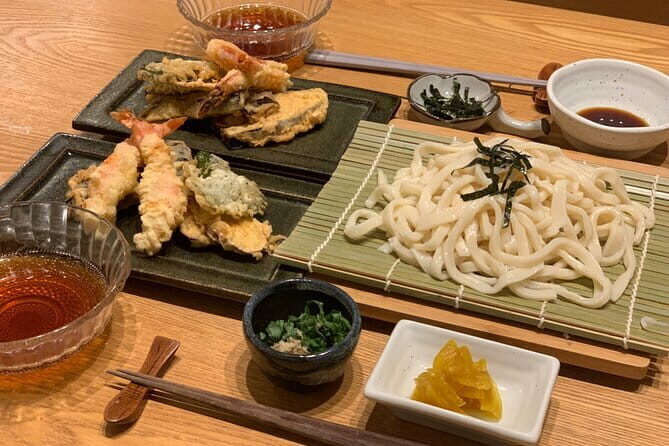
- Option 1: Udon and Tempura set
- Option 2: Gyoza and Maki-sushi set
- Option 3: Soy source Ramen and Gyoza set
- What you’ll eat
- From McDonald’s pickup to home cooking: the 2-hour flow
- Dietary needs and ingredient preferences: how to make the class work for you
- Eating together and learning skills that stick
- Price and value: what $64.16 buys you in Yokohama
- Who should book this ramen, gyoza, udon, and tempura home lesson?
- Should you book Mana Home Made Cooking in Japan?
- FAQ
- What menu options are available?
- Is lunch included?
- Can the class accommodate halal, vegan, or vegetarian diets?
- How long is the experience?
- Where do we meet?
- Is transportation included?
Key highlights you’ll actually care about
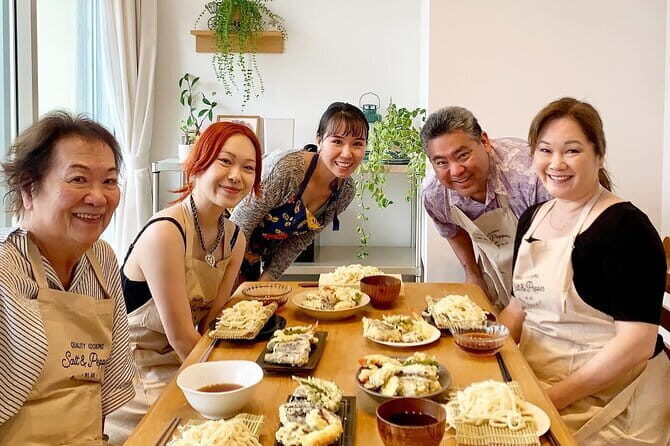
- Private lesson in a real home near Totsuka Station, not a studio kitchen
- Menu choice: Udon+Tempura, Gyoza+Maki-sushi, or Soy sauce Ramen+Gyoza
- Ramen noodles are premade, so the class focuses more on putting things together
- Mana teaches with practical steps, and she speaks very good English
- Lunch is included, and it’s what you made together
- Dietary requests must be sent in advance, since changes aren’t guaranteed on the day
Cooking in a Yokohama home: meeting Mana and picking your set
This experience is built around a simple idea: learn Japanese food in the place it’s actually eaten—someone’s kitchen. You meet Mana close to Totsuka Station (near a McDonald’s), and she takes you to her home, about a short ride away. From there, you get a quick intro, then you get busy cooking.
Why this matters: a restaurant meal shows you the final result. A home lesson shows you the rhythm—how ingredients are handled, what gets cooked first, and how cooks work around small timing issues. That’s where you start picking up habits you can reuse later at home.
Mana is the instructor, and she’s a local Japanese cook who loves cooking for her family every day. She also has a Japanese cooking license. In practice, that means you’re not only learning recipes—you’re learning how a trained home cook thinks while cooking for people she cares about.
Your first decision is the menu set. You choose one of three, and that choice shapes the whole meal. It’s a smart way to book, because it lets you match the class to your food mood: dumpling day, noodle day, or frying/rolls day.
What you’ll cook: udon, tempura, gyoza, maki-sushi, and soy ramen
The menu is straightforward, but the experience still feels like a real meal you’d eat at home.
Option 1: Udon and Tempura set
This is a comfort-food path: udon plus tempura. You’ll likely spend time on the tempura technique (batter and frying timing are usually the tricky part), then shift to getting everything to the table in a way that still tastes good together. If you’ve ever eaten tempura and wondered why it can be so different from place to place, this kind of lesson is where those differences start to make sense.
Option 2: Gyoza and Maki-sushi set
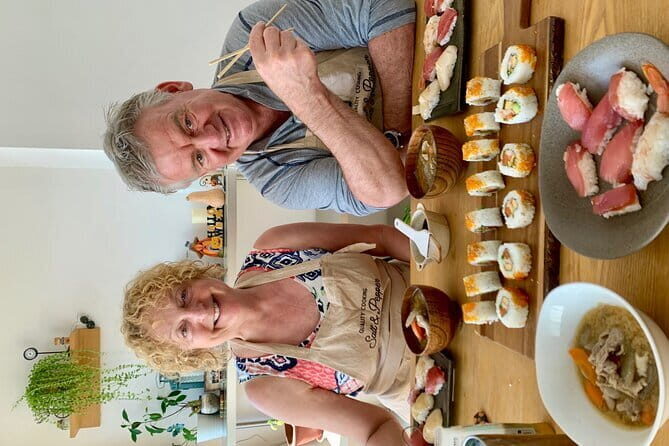
This one leans into two skills that are popular in Japan for a reason: folding gyoza and rolling maki-sushi. In at least one class format described, people ended up making miso soup along with California-style rolls and additional bite-size sushi items. You can’t assume that’s always on the menu for every booking, but it gives you a good idea of the spread you may see.
The bigger value here is learning how dumplings and sushi share a meal: you’re not only making food, you’re building an edible plan—so everything lands at the same time.
Option 3: Soy source Ramen and Gyoza set
If you love ramen, this is the noodle-focused choice. One important detail: the ramen noodles are premade. That’s actually helpful. It means your time goes toward the parts that feel most “cookable” in a lesson—assembling, heating, seasoning, and getting the bowl right without spending the class on noodle preparation.
Paired with gyoza, it becomes a satisfying lunch setup: warm bowls plus crispy-chewy dumplings.
What you’ll eat
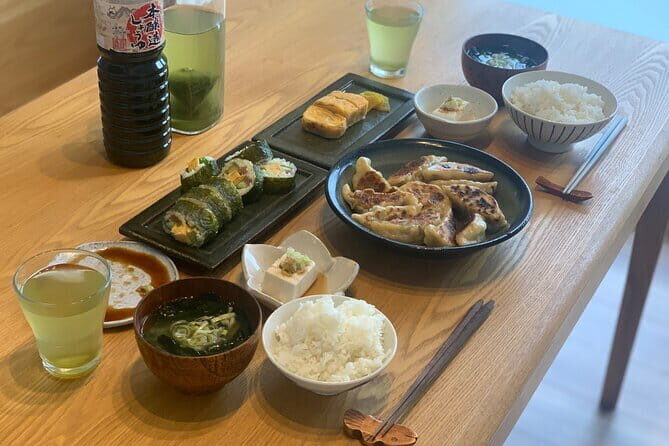
Lunch is included, and you eat what you cooked together. Expect a full home-style meal rather than snack portions. The eating time is typically 15 to 30 minutes, which is enough to slow down and enjoy it without rushing.
From McDonald’s pickup to home cooking: the 2-hour flow
The timing is practical and easy to follow.
1) Meet near Totsuka Station at the McDonald’s area
2) Mana explains how the class will work
3) Cooking for about 1 hour 45 minutes
4) Eat for 15–30 minutes
5) Head back to the meeting point
That structure keeps the pressure low. You’re not stuck watching someone cook for an hour, and you’re not sprinting to a late meal either. You also get a clear sense that this is a single continuous experience, not a half day of driving and waiting.
One small logistical note that matters: private transportation isn’t included. In practice, Mana will pick you up from the meeting point, so you’re covered for getting to the house. Still, you should plan your own way to the start point near Totsuka Station.
Dietary needs and ingredient preferences: how to make the class work for you
This is the part you should treat like a real assignment, because it affects what ends up on your cutting board.
You can request:
- halal
- vegan
- vegetarian
- preferences for ingredients
- allergy and dislike-food notes
But here’s the key limitation: food items can’t be changed without notification, and the instructor can’t respond on the day. So once you book, send a clear message fast. Use specifics. For example, if you’re avoiding certain ingredients, list them plainly. If you have an allergy, make sure it’s stated as an allergy, not a preference.
Also, the class says that in these cases, you should message the instructor. That means you shouldn’t assume the kitchen can handle changes automatically.
If you’re traveling with strict dietary needs, this format can still work well—as long as you communicate early.
Eating together and learning skills that stick
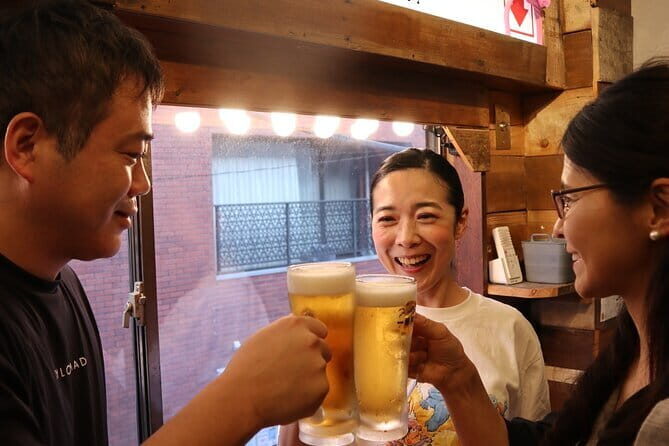
One of the best parts of home cooking lessons is that you see how meals are built, not just how recipes are written.
This class is private, so you can ask questions as you go. You’re also working in someone’s real kitchen setup, which often teaches you practical “why” details, like:
- what ingredients get prepared first
- how cooking steps are paced so everything finishes together
- what changes when you adjust for home-style portions
The instructor also speaks very good English, based on past feedback. That matters more than people expect. When a teacher can explain clearly, you’re more likely to actually repeat the technique later rather than just copy the final dish.
And because you eat right after cooking, the feedback loop is immediate. If something tastes off, you can connect what you did to the result—then adjust your approach next time you cook.
Price and value: what $64.16 buys you in Yokohama
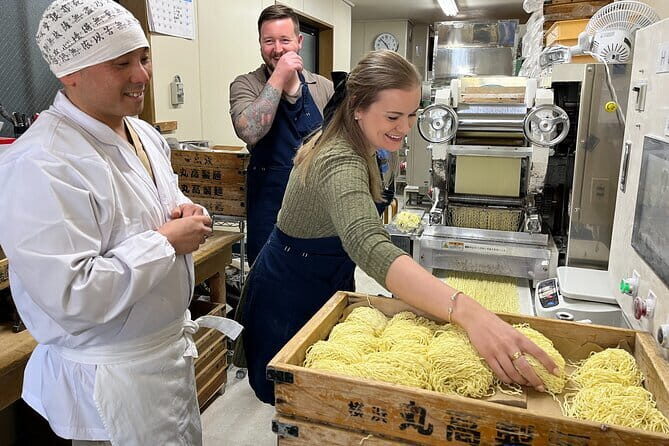
$64.16 per person can sound like a lot until you compare it to what’s included. Here’s what you’re paying for:
- a private lesson (your group only)
- instruction from Mana in a Japanese home
- cooking time of about 1 hour 45 minutes
- lunch included—the meal you made
- menu set choice
Also, it’s booked about 64 days in advance on average, which suggests demand. It’s likely a smaller, more limited experience rather than something that runs continuously at scale.
The value sweet spot is for people who care about technique and culture, not just food. If you want the story behind the dishes and the chance to ask questions while cooking, this price is easier to justify. If you just want to eat ramen and move on, a restaurant will be simpler and cheaper. But if you want skills you can bring home, the private home setting is the point.
Who should book this ramen, gyoza, udon, and tempura home lesson?
Book this if you fit at least a couple of these:
- You want a private, relaxed food lesson instead of a crowded studio class
- You’re excited by Japanese comfort food: ramen, gyoza, udon, tempura, and sushi rolls
- You want to talk with a local cook, not just follow a worksheet
- You’d rather learn through cooking and eating than through tasting only
- You have dietary needs and you’re willing to message early so adjustments are possible
It’s also a strong option for couples and small groups, since private lessons tend to feel more personal and flexible. If you’re solo, it can still be a great fit because you get your own guide and a full conversation during the cooking steps.
Should you book Mana Home Made Cooking in Japan?
Yes, if your goal is to learn Japanese food in a real-home setting and leave with techniques you can use later. This doesn’t feel like a performance. It feels like lunch with a teacher—structured enough to guide you, relaxed enough that you’re not under pressure.
My main caution is the dietary timing. If you have allergies or strict preferences, message Mana right away after booking. If you forget or hope changes will happen last minute, you may be stuck with the standard setup.
If that’s handled, this is a smart way to spend a couple of hours in Yokohama—especially if you want food culture you can actually recreate.
FAQ
What menu options are available?
You can choose one set: Udon and Tempura, Gyoza and Maki-sushi, or Soy source Ramen and Gyoza.
Is lunch included?
Yes. You’ll eat the food you make together as part of the experience.
Can the class accommodate halal, vegan, or vegetarian diets?
Yes, and the instructions say to message the instructor when you book soon. Ingredient preferences and allergy/dislike food notes are also handled via message.
How long is the experience?
It’s about 2 hours total, including roughly 1 hour 45 minutes of cooking and 15 to 30 minutes to eat.
Where do we meet?
You meet at the McDonald’s near Totsuka Station, and Mana will pick you up and take you to the house. The activity ends back at the meeting point.
Is transportation included?
No. Private transportation isn’t included, but Mana picks you up from the meeting point.
More Tour Reviews in Yokohama



Next Door in Yokohama
Yokohama Tours, compared.
 ★ 4.9EVO, WRX, Skyline – JDM Night Run to Daikoku Car MeetFrom $125478 reviews
Best Price Daikoku Parking Area JDM Car MeetFrom $76192 reviews
★ 4.9EVO, WRX, Skyline – JDM Night Run to Daikoku Car MeetFrom $125478 reviews
Best Price Daikoku Parking Area JDM Car MeetFrom $76192 reviews
 ★ 4.9Daikoku & Tokyo Private JDM Tour by 700HP R34 GT-RFrom $586101 reviews
 ★ 5.0Tokyo 8hr Private Tour with Licensed Guide from YokohamaFrom $20194 reviews
 ★ 5.0【Tokyo】JDM Daikoku Parking Area & Nissan Facility TourFrom $5587 reviews
 ★ 4.5Narita Airport: One Way Private Transfer to Tokyo|Yokohama HotelsFrom $7769 reviews
 ★ 5.0Shuttle Van Transfer, Yokohama(Port)⇒Tokyo, Narita, Haneda, TDRFrom $12263 reviews
 ★ 5.0R34Skyline Daikoku PA Fast & Furious Private ExperienceFrom $10963 reviews
Browse the lists this tour appears in