
If you like cars and want your adrenaline in the real world, this is a great match. I love how it’s a completely private lesson with OG drift drivers, not a group show. I also love that you get step-by-step teaching from legendary instructors like Hiro and Ross, with a clear goal like learning a proper donut within the 3-hour driving block.
Here’s the part to think about first: it’s not a cheap afternoon. It is also a full 6-hour day door-to-door, and you’ll want to follow the dress rules (long sleeves, long pants, sneakers) so you stay comfortable for all that time at the track.
In This Review
- Key takeaways before you book
- What makes Minami Chiba feel like drifting, not a stunt
- Private OG teaching: how the day gets personal fast
- Pickup and the Tokyo-to-Chiba drive you’ll actually enjoy
- The 6-hour plan: what happens before, during, and after your 3-hour driving block
- The track time: your 3 hours of actual driving practice
- The end-of-day wind-down
- Beginner track goals: donuts, figure 8s, and a plan that makes progress real
- Intermediate track goals: e-brakes, gear changes, and turning “I can drift” into consistency
- The JDM cars you may drive, and why they’re chosen for real drift learning
- The replica police pursuit: the part that feels like a movie, without the chaos
- What’s included, what you bring, and the small things that help a lot
- Price and value: is $708 per person worth it
- Who should book this drifting lesson in Tokyo
- Should you book this Tokyo drift lesson or wait?
- FAQ
- How long is the private drifting lesson?
- Is this lesson private or shared?
- What will beginners learn during the 3-hour driving session?
- What will intermediate drivers work on?
- What car will I drive?
- Is there a police chase style moment?
- What should I wear to the track?
Key takeaways before you book
- True private instruction with OG teachers, tuned to your skill level
- 3 hours on the track, aiming for donuts for beginners or more advanced moves for intermediates
- Graduation challenge course to test what you actually learned
- Replica undercover police vehicle for an end-of-session pursuit feel
- Pickup and drop-off in Tokyo from the team’s driver, making the day easy logistically
- JDM drift cars like Mazda MX-5 Miyata NB, Nissan 350Z, RX-8, and 180SX depending on skill
What makes Minami Chiba feel like drifting, not a stunt
The big difference between learning to drift on a track and doing anything else is control. On a proper circuit, the car, the cones, and the teaching plan all work together. At Minami Chiba Circuit, you’re not guessing. You’re learning a repeatable skill, then building on it.
The lesson is also designed around learning goals you can feel in your hands. Early on, the focus is on clean, confident car placement for donuts (and then figure 8s). Later, you shift attention to tools like e-brakes and gear changes, which is where drifting becomes more than just turning while sliding.
Private OG teaching: how the day gets personal fast
This experience is run as a private drift school. That matters more than people expect. When the coaching is one-on-one (or one-on-a-small-private-group), you don’t waste time trying to figure out what the lesson is really asking you to do.
You’ll have an English-speaking translator and staff support, and the team runs with both English and Japanese live guidance. In practice, this means you can understand the instruction, then apply it on your next run without long pauses.
One reason the instruction lands well is the way the teachers teach. Multiple instructors are described as friendly and attentive, and they sit with you as you take turns. Names like Hiro and Ross show up in the day-to-day experience, and they’re part of what makes the lesson feel like authentic car culture rather than a generic activity.
Pickup and the Tokyo-to-Chiba drive you’ll actually enjoy
You’re picked up in Tokyo by the team’s driver (they mention a Lexus LS460). Then you head to Minami Chiba Circuit, about an hour away from central Tokyo. In other words, you’re not just traveling to a location. You’re starting your day with the team from the moment they collect you.
The pickup is free and drop-off is included, with service preferably within about 5 km of Tokyo’s center. That’s a real convenience if you’re juggling jet lag and tight schedules. It also helps you stay focused on the day instead of spending time arranging transport.
The 6-hour plan: what happens before, during, and after your 3-hour driving block
A 6-hour day sounds long on paper. But in real timing, most of that is travel, gearing up, and fitting your skill level into a progression plan.
The track time: your 3 hours of actual driving practice
The core of the experience is a 3-hour drift lesson on the circuit. That’s where you get wheel time, repeat runs, and coaching from the OG instructors in real conditions.
If you’re a beginner, the goal is structured: you learn a proper donut first. The day then nudges you toward a figure 8 if you master the donut. That’s a smart progression because it gives you a base technique and then a more demanding pattern.
If you’re intermediate, the lesson changes gear—literally and figuratively. You’re taught additional skills using e-brakes and more higher-gear changing. The point is to refine how the car sets up and stays balanced in the slide, not just how it starts.
The end-of-day wind-down
After the driving block, you’ll be taken back to your preferred Tokyo location. The team also makes the day feel social without turning it into a party. People described it as high-energy at the circuit, especially when you see other cars drifting nearby, then calm and organized once you’re in the lesson flow.
Beginner track goals: donuts, figure 8s, and a plan that makes progress real
If you’re new to drifting, this is one of the cleanest ways to start. The beginner pathway is centered on one measurable skill: do a donut properly. Not a shaky, lucky slide. A donut you can repeat with control.
Then comes the next step: figure 8s. That’s a bigger ask because you’re switching your attention and transitions more often. But it’s a great target because you can immediately feel if you’re learning fundamentals versus just surviving one good run.
A detail I really like here is that the instruction isn’t treated as a mysterious art only for people who already know cars. You’re guided from step to step, and the day is paced so you can actually get better within the time you have.
If you’re worried about basic driving comfort—like manual-style controls—the teaching is described as patient and explanatory. That matters. You don’t want the instruction to assume you already know the car.
Intermediate track goals: e-brakes, gear changes, and turning “I can drift” into consistency
Intermediate drivers are not just thrown into harder slides. You’re taught how to use more tools. E-brakes come into play, and so does more involved gear changing.
Why does that matter? Because drifting isn’t only about steering angle. It’s also about how you manage weight transfer and engine behavior while keeping the car pointed in the right direction. When the lesson focuses on those mechanics, you stop relying on luck.
The day also includes a graduation challenge course for everyone. That’s important because it turns improvement into a goal you can chase. You’ll feel like you have something to work toward beyond just taking turns.
The JDM cars you may drive, and why they’re chosen for real drift learning
You might drive a Mazda MX-5 Miyata NB if you’re a beginner. For more skilled drivers, cars may include a Nissan 350Z, Mazda RX-8, or Nissan 180SX.
The key value here is that the cars are actual drift-friendly platforms. The lesson feels grounded because the coaching happens in the kind of vehicle you’d see in real drift scenes, rather than an unrelated car that makes the technique harder to learn.
Also, the exact car varies based on skill and day. That’s normal for a drift-school setup, and it’s another reason you should show up with the mindset of learning the technique, not chasing a specific model.
The replica police pursuit: the part that feels like a movie, without the chaos
One of the most memorable end-of-session moments is the replica undercover police vehicle. The plan is to give you the feel of an actual police chase at the end of the session.
Even if you aren’t a JDM superfan, this section tends to land because it’s playful but still tied to driving. It’s not just a photo moment. You’re actually experiencing drift dynamics in a themed, high-energy finale.
The benefit for your learning is subtle: the final runs are often where skills start to blend. Your control and confidence can carry over from the earlier donut or figure 8 practice into something more dramatic.
What’s included, what you bring, and the small things that help a lot
You get drifting instruction from an expert teacher, and the lesson is a complete private format. Helmets and gloves are provided, which is exactly what you want for safety and comfort.
You’ll need to bring the right clothes. Plan on long sleeve shirts, long pants, and sneakers. They specify no sandals. This isn’t “just because.” Track days involve heat, friction, and movement. The right clothing makes the whole session easier.
If you can, show up rested. Six hours is long, and your best learning happens when you’re not rushing mentally through it.
Also, expect a social component. The included “meet the local OG drift drivers” is more than a line on a brochure. It’s part of why the day feels like you’re joining a scene, not watching one.
Price and value: is $708 per person worth it
At $708 per person for 6 hours total, this is priced like a premium, instructor-led motorsport experience. You’re paying for the private coaching, the specialized cars, and the track time—plus transportation within Tokyo.
So what makes it value, not just cost?
- You’re getting private instruction geared to your exact skill level.
- The on-track portion is 3 hours, which is meaningful for learning. Short lessons often don’t give enough repetition.
- The day includes the kind of extras you rarely see in basic driving experiences, like the themed undercover police pursuit feel.
The main drawback is simple: you won’t get your money’s worth if your only goal is a casual sightseeing stop. This day is about driving and skill-building. If you’re excited by that, the price starts to make sense quickly.
Who should book this drifting lesson in Tokyo
This fits best if you want to do one of these things:
- Learn to drift for real, with structured coaching
- Get a beginner-to-better progression that targets donuts and then figure 8s
- Practice advanced techniques like e-brakes and gear changing
- Enjoy a private day with English support, pickup, and OG car-culture energy
It’s also ideal if you don’t want to stress about logistics. Pickup and drop-off are included, and the schedule is built around one long track session rather than a scatter of stops.
If you’re the type who hates instruction and prefers solo wandering, this won’t be your vibe. This is hands-on training. You’ll want to pay attention and work with the teachers.
Should you book this Tokyo drift lesson or wait?
Book it if you’re craving a real, skill-focused track day in Tokyo. The private OG coaching, the structured donut-to-figure-8 progression, and the themed undercover police chase finale combine into a day that feels memorable and practical.
Wait or consider alternatives if you’re on a tight budget or you only want a quick thrill with minimal effort. The best results come when you show up ready to learn and practice.
If drifting is part of your identity as a car person, or you want a standout highlight that isn’t a typical tourist checklist, this is a strong bet.
FAQ
How long is the private drifting lesson?
The total experience lasts about 6 hours, including pickup and drop-off. The hands-on drift driving lesson itself is 3 hours.
Is this lesson private or shared?
It’s a completely private lesson school with a private group format.
What will beginners learn during the 3-hour driving session?
Beginners learn to do a proper donut first. If you master that, the plan moves you toward a figure 8.
What will intermediate drivers work on?
Intermediate drivers practice additional drift skills using e-brakes and more higher gear changing.
What car will I drive?
It depends on your skill level and the day. Beginners may drive a Mazda MX-5 Miyata NB. More skilled drivers may drive a Nissan 350Z, Mazda RX-8, or Nissan 180SX.
Is there a police chase style moment?
Yes. The team uses a replica undercover police vehicle for an end-of-session feel like a police pursuit.
What should I wear to the track?
Bring long sleeve shirts, long pants, and sneakers. Helmets and gloves are provided, and sandals are not recommended.
JDM Drift Car Experiences, compared.
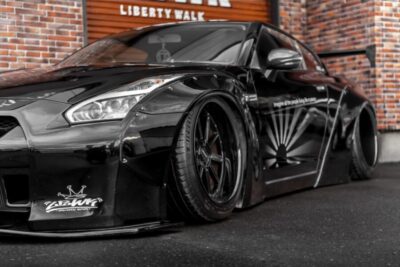 ★ 4.8GT-R35 800hp Club Membership – secret underground car meetFrom $205998 reviews
 ★ 4.8Fast & Furious Tokyo Drift 3 Experience (Kaila Yu SP)From $157947 reviews
Daikoku JDM Car Meet & Night Car Culture TourFrom $98626 reviews
★ 4.8Fast & Furious Tokyo Drift 3 Experience (Kaila Yu SP)From $157947 reviews
Daikoku JDM Car Meet & Night Car Culture TourFrom $98626 reviews
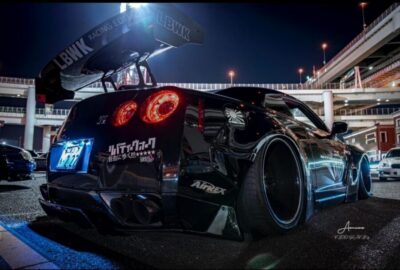 ★ 4.8Secret Car Meet: R34 Skyline Car Club MembershipFrom $236494 reviews
 ★ 4.9EVO, WRX, Skyline – JDM Night Run to Daikoku Car MeetFrom $125478 reviews
 ★ 4.7Tokyo Drift: Daikoku PA Supreme Car Experience 大黒PAFrom $58372 reviews
 ★ 4.5Daikoku Car Club Temporary MembershipFrom $145275 reviews
 ★ 5.0Daikoku JDM Car Meet & Night Car Culture TourFrom $99232 reviews
Browse the lists this tour appears in