
Reviewed · YOKOHAMA TOURS
Japanese Calligraphy Class in Yokohama with Tea and Sweets
Brushwork, tea, and a take-home fan. In Yokohama’s Port Opening Memorial Hall, I like how Mami-san keeps the lesson calm and clear in English, and I love that you walk out with something real: calligraphy copied onto a traditional uchiwa fan. The only drawback is that this is a hands-on class—if you’re trying to cram in lots of other stops, you’ll want to protect the full 2 hours 30 minutes.
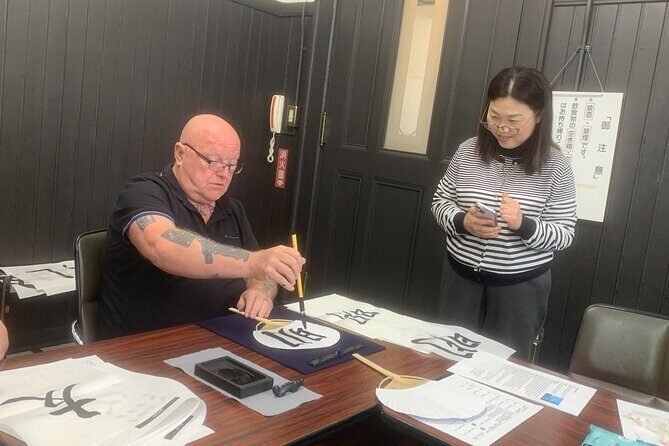
You’ll start by choosing what to write, either your favorite character or a single kanji from your name. Then you’ll copy it carefully onto Japanese paper so it looks like it belongs on your shelf, not in a homework folder.
The setting is a traditional building by the water, and the class ends right back at the meeting point. You’ll also get a beginner’s guide in English, plus a warm cup of tea (sencha or hojicha) and Japanese sweets to finish the session on a friendly note.
In This Review
- Key points worth knowing before you go
- Getting started at Port Opening Memorial Hall (Jack’s Tower)
- Picking your kanji (or your name character) and writing with the brush
- A practical note on what you choose
- Copying onto your uchiwa fan like a real craft project
- Tea and Japanese sweets: the calm finish that makes it feel complete
- Group size, timing, and location tips that actually help
- Value check: why $19.51 is a smart deal for 2.5 hours
- Who should book this Yokohama calligraphy class
- Should you book this calligraphy class in Yokohama?
- FAQ
- What do I write during the calligraphy lesson?
- Where does the class take place?
- How long is the experience?
- Is the class small?
- What happens at the end of the lesson?
- Is there free cancellation?
Key points worth knowing before you go
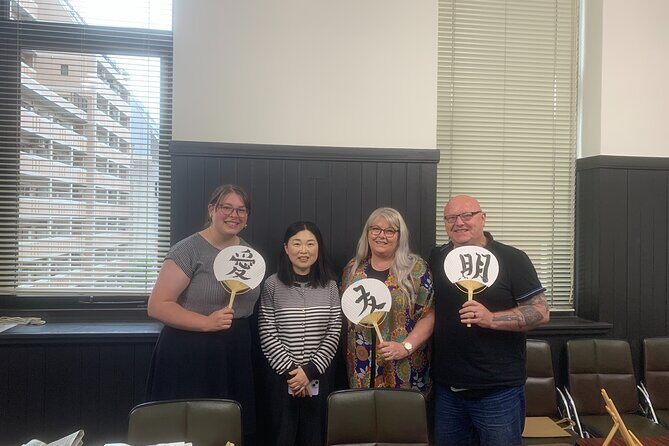
- Small-group class (max 6 people): You get patient, individual coaching instead of a fast lecture.
- English instruction with real practice: You copy strokes step-by-step and write your chosen kanji right away.
- A uchiwa fan souvenir you make yourself: Your final artwork is the takeaway, not just photos.
- Tea choice included: You can pick sencha or hojicha, plus Japanese sweets.
- Beginner guide in English: You leave with a reference you can use after the workshop.
- Traditional meeting spot: Yokohama Port Opening Memorial Hall (Jack’s Tower) sets the tone for a slower, more thoughtful activity.
Getting started at Port Opening Memorial Hall (Jack’s Tower)
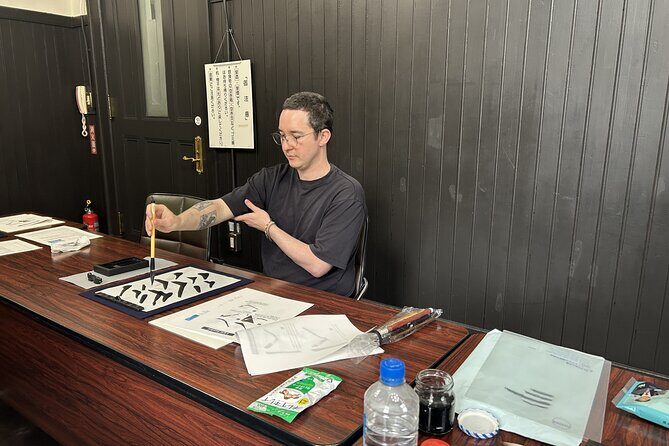
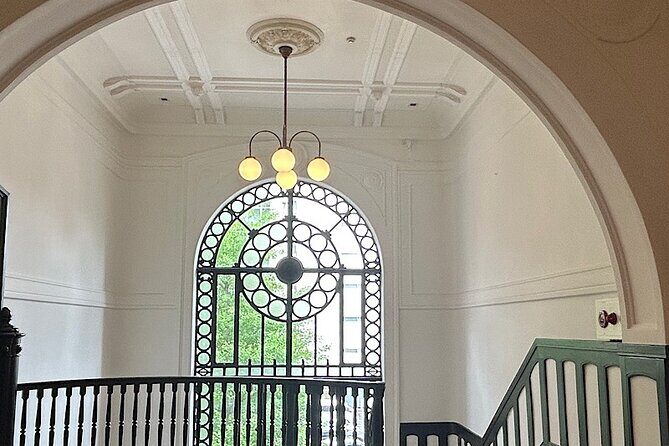
Your class time begins at Yokohama Port Opening Memorial Hall, at Jack’s Tower. It’s a real, traditional Yokohama building, so you’re not doing calligraphy in a shopping-center classroom. That matters, because calligraphy is about pace. The quieter the space, the easier it is to focus on what the brush is doing.
I like that the meeting point is near public transportation. That usually means less stress at the start, which helps you show up ready to concentrate. Also, the activity ends back at the meeting point, so you don’t have to stitch together extra transit plans right after you finish.
The session uses a mobile ticket, and confirmation comes at booking. In practical terms, you can keep everything on your phone and show up without scrambling for paper.
Picking your kanji (or your name character) and writing with the brush
The core of the lesson is simple: you’re guided through the essentials of Japanese calligraphy and then you write something personal. You get a model to use on the spot. From there, you can write your favorite character or a single character from your name in kanji.
If you’re a total beginner, this approach is smart. It gives you an immediate target and removes the intimidating blank-page feeling. You’re not asked to guess the right shape from memory. You’re asked to copy and learn, and then add your own choices.
Brush handling is where the patience shows. Mami-san has over 30 years of experience and uses clear English instruction to help you understand what to do with your hand and how each stroke should flow. Based on the kinds of comments people leave after the class, the teaching style is very supportive—especially if everyone in the group has different experience levels.
The lesson also emphasizes the graceful strokes that make kanji look balanced. That’s not just aesthetic. When your strokes match the rhythm of the model, the character suddenly looks intentional instead of accidental.
A practical note on what you choose
If you want the best souvenir effect, pick a character that feels meaningful to you. A single kanji from your name is personal and easy to translate emotionally, even if you are still learning how to write it well.
Copying onto your uchiwa fan like a real craft project
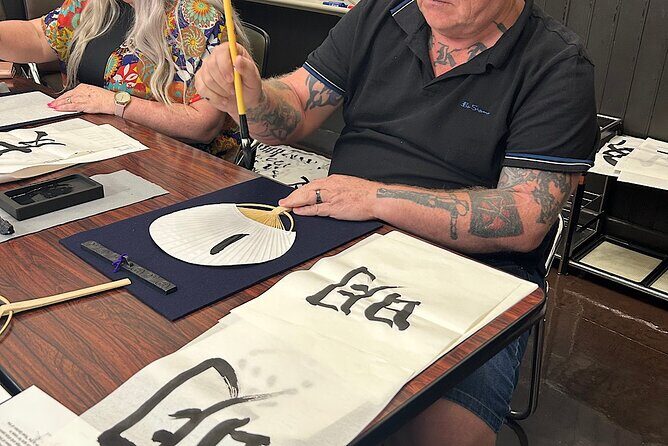
Here’s the part that makes this class more than a demo: you copy your calligraphy onto a traditional paper fan (uchiwa). You start by writing from the model, then you transfer that character into the final fan format as your calligraphy art.
This step is where your effort becomes visible. It’s also where you’ll notice what you learned about brush control, because the fan has its own shape and presence. The writing has to look right even when the surface isn’t a flat page.
You take your finished uchiwa fan home as a souvenir. That’s a strong value point because you leave with a usable keepsake—something you can display, not just a memory. It also means you get to practice past the moment when the instructor is done talking.
And yes, you also get a beginner’s guide to continue. That’s helpful because calligraphy isn’t just one-time success. It’s a skill you build, one practice session at a time, and an English guide reduces friction after the workshop.
Tea and Japanese sweets: the calm finish that makes it feel complete
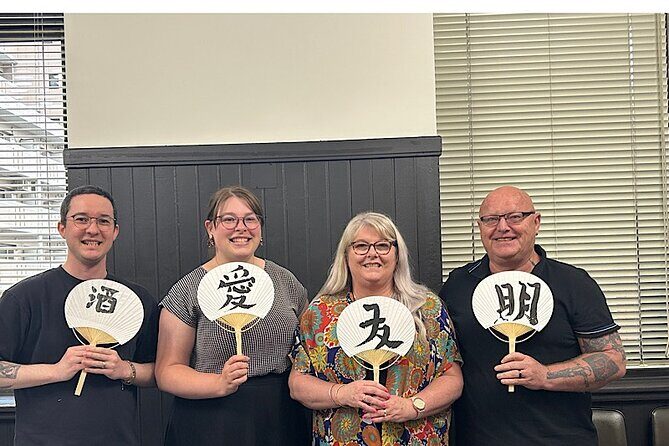
After you write, you slow down for tea and sweets. You can choose between sencha and hojicha. Sencha is the classic green tea style, while hojicha tends to be a roasted option that feels gentler and calmer. Either way, this is included, and it turns the class into a full cultural break instead of a quick activity.
You’ll also get Japanese sweets. The exact type isn’t listed here, but the idea is consistent: something sweet to balance the session and give you a natural moment to rest your hand and eyes.
I like this part because it matches the goal of calligraphy. The craft asks for focus and restraint. Tea time gives you a reward that feels connected to the activity rather than like a random add-on.
Group size, timing, and location tips that actually help
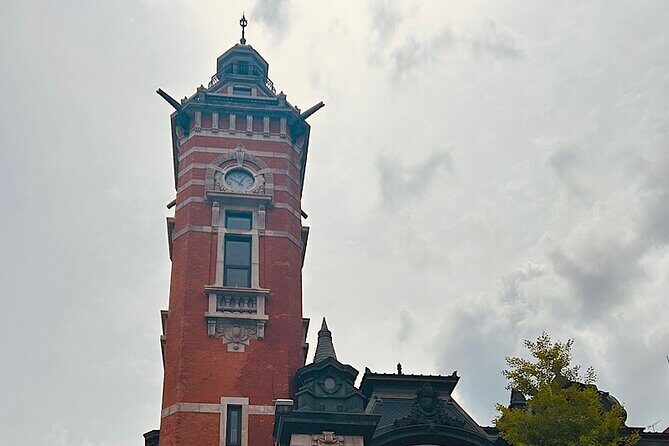
This is a small-group class with a maximum of 6 travelers. That small size shows in the way instruction is delivered. You’re more likely to get corrected in the moment rather than waiting your turn for a quick once-over at the end.
Duration is about 2 hours 30 minutes. Plan for the full block. It’s not a 60-minute taster. You need time to learn brush basics, write your chosen character, copy it onto the uchiwa fan, and then finish with tea and sweets.
Because the class meets at a specific location and ends there again, keep that return point in mind when planning the rest of your day. If you’re hopping between neighborhoods, don’t schedule anything too tight immediately after class ends.
Also, most people can participate. That usually means you’re not required to have previous drawing skill or deep cultural knowledge. If you can hold a pen, you can probably handle a brush with guidance.
Value check: why $19.51 is a smart deal for 2.5 hours
At $19.51 per person for roughly 2 hours 30 minutes, this class can feel like good value—especially because the experience includes more than instruction. You’re paying for:
- A guided workshop with an instructor who has decades of experience
- A finished souvenir (your calligraphy on an uchiwa fan)
- Tea choice (sencha or hojicha) plus Japanese sweets
- A beginner’s guide in English to keep practicing after you leave
Many “craft” experiences end with you leaving empty-handed except for a photo. Here, the artwork is the point, and it’s designed to be taken home.
The price also works well for groups. If you’re traveling with a partner or family, the small-group format keeps it personal even when more than one person is learning.
Who should book this Yokohama calligraphy class
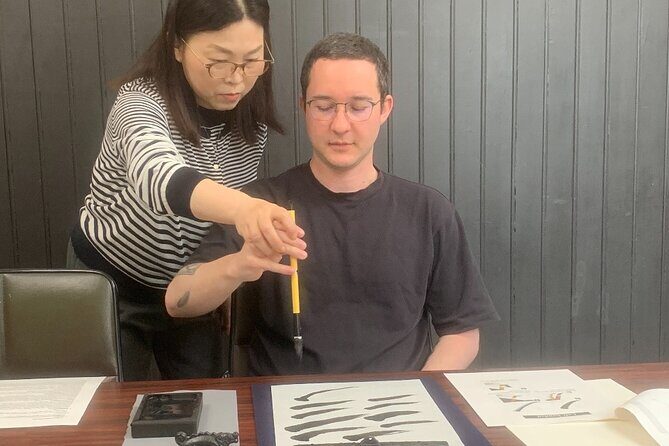
This class is a great fit if you want something hands-on and calm. It’s ideal for:
- Beginners who want structure and clear English guidance
- People traveling with others who might not want the same kind of sightseeing
- Families and groups who benefit from a patient instructor and a paced lesson
- Anyone who likes the idea of taking home a real cultural artifact you made yourself
It’s also a nice choice if you’re already doing Yokohama waterfront and port-area sightseeing. The traditional setting helps you slow down and do one meaningful activity instead of just checking boxes.
If you dislike quiet, sitting-focused activities, or if you’re the kind of person who hates taking your time with detail, this might feel slower than your ideal day. In that case, treat it as a dedicated block of your schedule.
Should you book this calligraphy class in Yokohama?
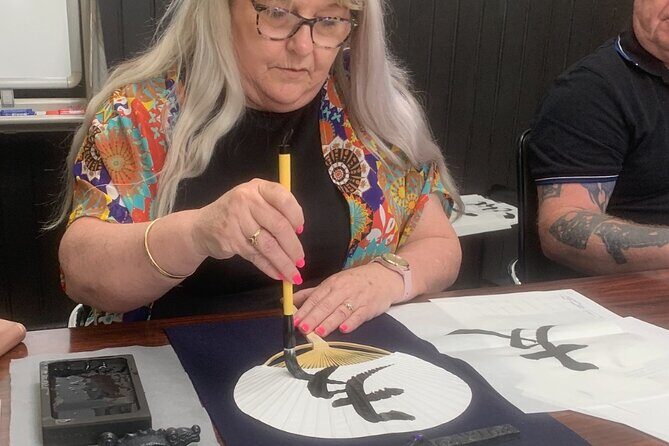
I’d book it if you want an activity that blends learning, creativity, and a take-home item in one easy package. The combination of English instruction, small-group size (max 6), and the fact that you finish with an uchiwa fan souvenir makes it feel worth your time.
Skip it if your schedule is packed with high-speed plans and you can’t spare the full 2 hours 30 minutes. Otherwise, it’s a strong way to experience Japanese culture beyond the usual photo stops.
FAQ
What do I write during the calligraphy lesson?
You’ll use a model provided on the spot and write either a favorite character or a single character from your name in kanji.
Where does the class take place?
You meet at Yokohama Port Opening Memorial Hall in Yokohama (Jack’s Tower). The class ends back at the meeting point.
How long is the experience?
The class runs about 2 hours 30 minutes.
Is the class small?
Yes. The maximum group size is 6 people.
What happens at the end of the lesson?
You enjoy Japanese tea (sencha or hojicha) and Japanese sweets, and you take home your calligraphy artwork on a traditional uchiwa fan plus a beginner guide in English.
Is there free cancellation?
Yes. You can cancel for a full refund up to 24 hours before the experience start time.
More Tour Reviews in Yokohama





Next Door in Yokohama
Yokohama Tours, compared.
 ★ 4.9EVO, WRX, Skyline – JDM Night Run to Daikoku Car MeetFrom $125478 reviews
Best Price Daikoku Parking Area JDM Car MeetFrom $76192 reviews
★ 4.9EVO, WRX, Skyline – JDM Night Run to Daikoku Car MeetFrom $125478 reviews
Best Price Daikoku Parking Area JDM Car MeetFrom $76192 reviews
 ★ 4.9Daikoku & Tokyo Private JDM Tour by 700HP R34 GT-RFrom $586101 reviews
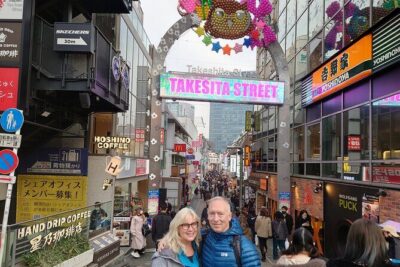 ★ 5.0Tokyo 8hr Private Tour with Licensed Guide from YokohamaFrom $20194 reviews
 ★ 5.0【Tokyo】JDM Daikoku Parking Area & Nissan Facility TourFrom $5587 reviews
 ★ 4.5Narita Airport: One Way Private Transfer to Tokyo|Yokohama HotelsFrom $7769 reviews
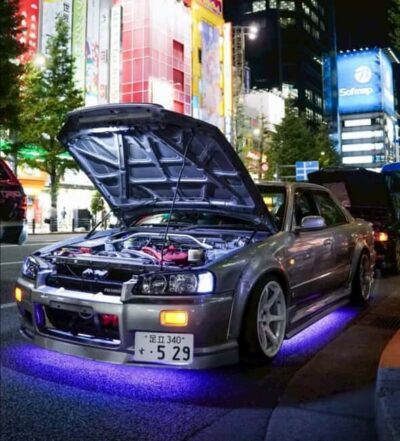 ★ 5.0R34Skyline Daikoku PA Fast & Furious Private ExperienceFrom $10963 reviews
 ★ 5.0Shuttle Van Transfer, Yokohama(Port)⇒Tokyo, Narita, Haneda, TDRFrom $12263 reviews
Browse the lists this tour appears in