
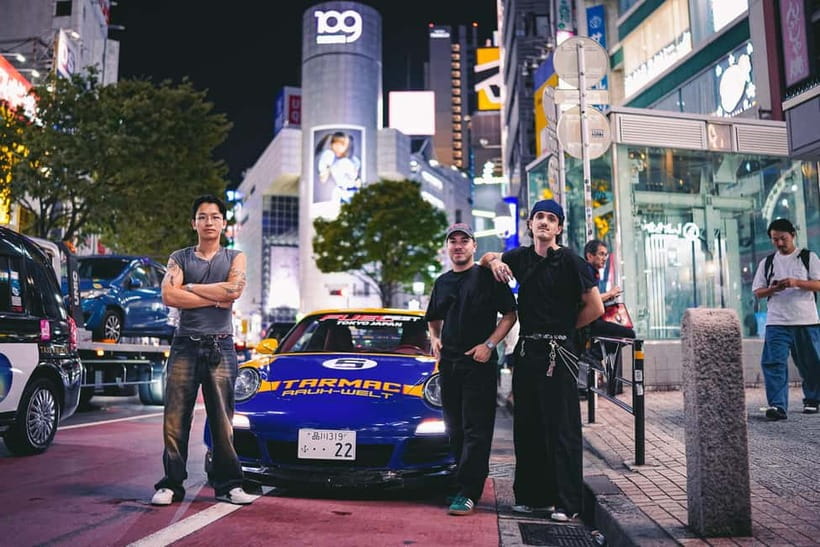
Reviewed · TOKYO
Shibuya City: Daikoku PA GT-R R35, R34, R33 or R32 Tour
Tokyo with turbos is different. This private JDM car tour uses tuned Nissan GT-Rs (R35/R34/R32, plus options like R33) and even a JZA80 Supra, with a local guide riding with you for translation and car-scene context. I especially like the safety-first feel of drivers such as Lex and Ruban, and the real-deal car-meet energy at Daikoku Parking Area. One drawback to plan for: the stops are timed, so you’ll get the scene, not hours to wander it like a theme park.
You’ll start from either Tokyo Station or Sakura Clinic (meeting point depends on the option you book), then spend about 150 to 210 minutes going after classic highlights around Shibuya, the Tokyo Bay waterfront, and Tokyo Tower. The vibe stays focused on driving, photo stops, and short windows for exploring parts shops and the meet.
If you want a relaxed sightseeing day, this isn’t it. It’s an adrenaline-flavored route built around cars, which means it can be louder, faster, and more “spot the landmark from the road” than “slow walk and linger.”
In This Review
- Key highlights worth circling
- Why a tuned GT-R tour beats a normal Tokyo drive
- Car choice: R35, R34, R33, R32, and even a JZA80 Supra
- Starting point at Tokyo Station or Sakura Clinic (and why it matters)
- A-PIT Super Autobacs: the parts-shop stop that feels like a movie set
- Daikoku Parking Area: the hour where the whole scene comes alive
- Rainbow Bridge, Tokyo Bay roads, and the Shibuya crossing shots
- Wangan Expressway and Umihotaru: the route that makes the car feel right
- Price and logistics: what $316 for up to 3 buys you
- Who should book this JDM GT-R tour
- Should you book this Daikoku GT-R R35/R34/R32 tour?
- FAQ
- What car types can I ride in?
- How long is the tour?
- How many people are in the group?
- Where do we meet?
- What stops are included during the tour?
- Is there a live guide and what languages are offered?
- Are these rides in tuned JDM cars or regular cars?
- What is the cancellation policy?
- Is payment required immediately?
- Should you book this Daikoku GT-R tour?
Key highlights worth circling
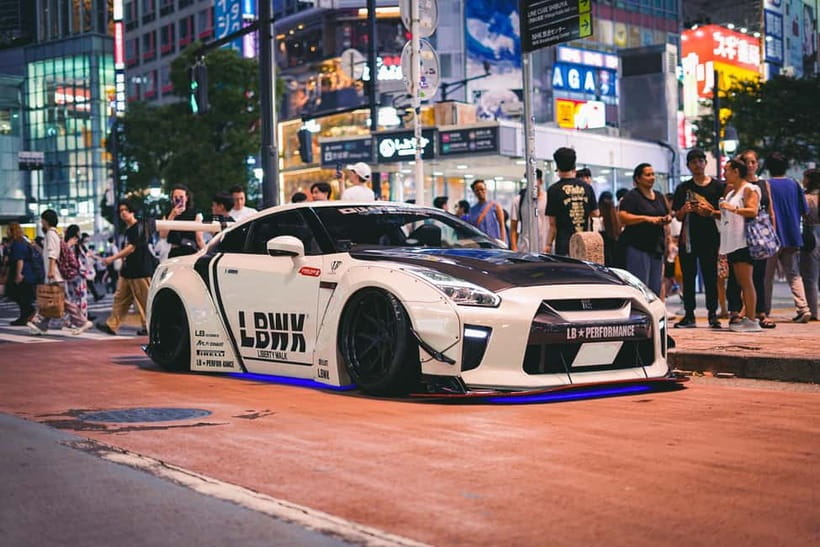
- Tuned JDM only: no regular vans or sedans in the mix
- Daikoku PA car-meet time: about an hour on-site after a photo stop
- A-PIT Super Autobacs stop: parts shopping plus about 30 minutes to walk
- Icon views on the route: Shibuya Crossing, Rainbow Bridge, Tokyo Tower, plus Tokyo Bay spots
- English and Japanese support: your guide translates and keeps the flow organized
Why a tuned GT-R tour beats a normal Tokyo drive
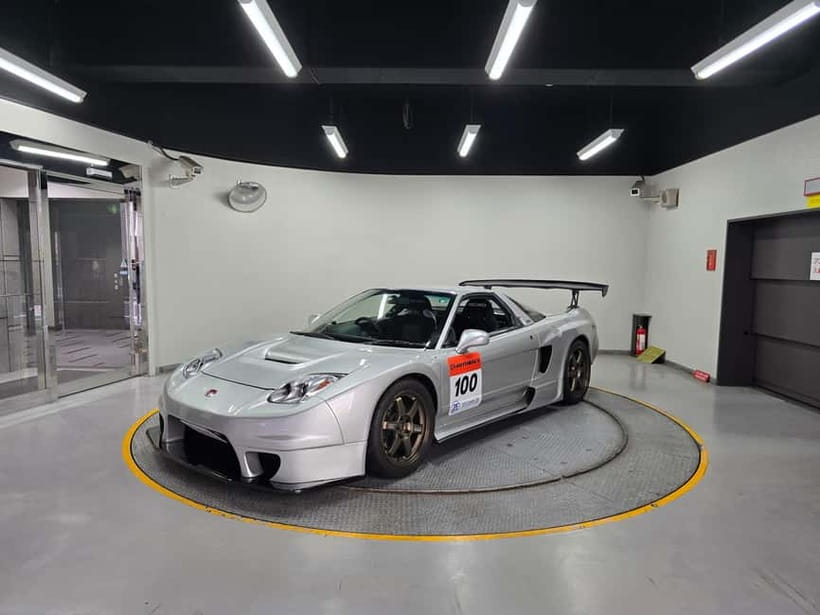
Tokyo is packed with cars, but most sightseeing leaves you stuck in traffic-limbo behind buses and scooters. This is different: you ride in a tuned machine built for the road’s drama, while your guide helps you understand why these cars matter here. It feels closer to being “in the scene” than just passing it.
I like that the experience is built around a purpose. You’re not paying for transportation from point A to point B; you’re paying for a guided route that includes car-specific sights and the kind of stops that make sense for a petrolhead. You’ll also get a bilingual guide (English and Japanese), which makes it easier to ask questions and follow the story as you go.
The best part is how controlled it feels. Multiple guides (Lex, Tatsuya, Takumi, Haruto, Harrison, Julian, Ruben, among others) are described as careful and professional, so the ride can feel fast without turning stressful. Still, your consideration is simple: you’re choosing an experience built on speed and sound, not quiet cruising.
Car choice: R35, R34, R33, R32, and even a JZA80 Supra
This tour is centered on tuned Japanese performance cars. The options listed include Nissan GT-R models like R35, R34, R33, and R32, and there’s also a JZA80 Supra available. You’re asked to send your car preference, which matters because this isn’t one-size-fits-all.
Here’s what that means for you. If you’re a classic skyline fan, an R32 or R34 changes how you read the night: the car details, the culture references, and even the way people react when you arrive can feel more personal. If you’re chasing modern power, an R35 can make the route feel more current and high-tech.
One practical tip: decide what you want more—icon status or the exact era vibe. An R34 crowd-pleases for a lot of reasons, while an R35 often feels like the “big leap” car. And if you’re a Supra fan, the JZA80 option is a fun curveball that still keeps the whole evening in the same JDM lane.
Starting point at Tokyo Station or Sakura Clinic (and why it matters)
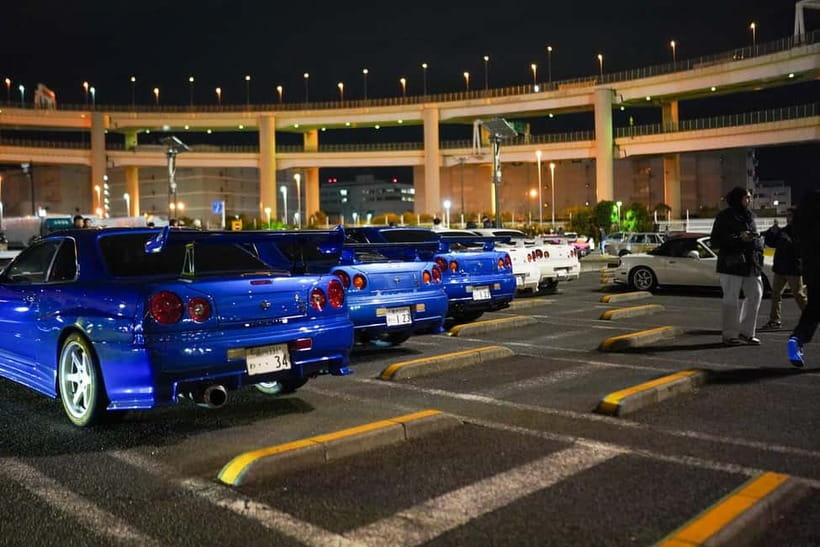
You get two starting location options: Tokyo Station or Sakura Clinic. The meeting point may vary based on the option you book, so double-check your confirmation details so you don’t waste time hunting.
This setup is useful because Tokyo Station is easy for most rail travelers. If you’re staying elsewhere, Sakura Clinic may be more convenient depending on your hotel area and train line. Either way, the important thing is that you’re not doing a DIY meetup with strangers—you’re connecting directly into the guided flow.
Timing matters too. With a total duration of 150 to 210 minutes, you don’t want to arrive late. You’ll be best off if you build a small buffer around your meetup time and keep your phone charged for photo stops.
A-PIT Super Autobacs: the parts-shop stop that feels like a movie set
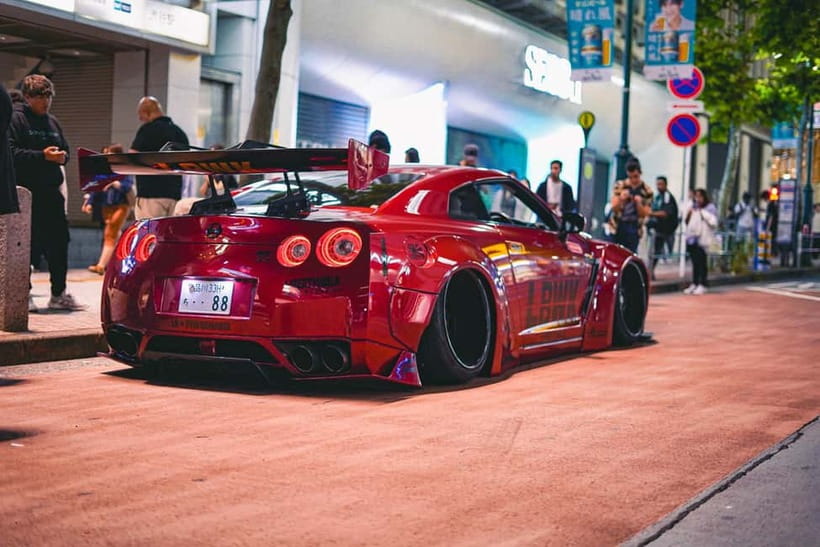
Your tour includes a stop at A-PIT Super Autobacs. The schedule gives you break time, a photo stop, time to visit, plus free time for shopping and sightseeing, including about 30 minutes for walking.
This stop is valuable because it turns “car culture” from something you see on screens into something you can touch. Autobacs-style stores are where people buy accessories, maintenance supplies, and tuning goodies—so you get a real sense of the ecosystem around these cars. Even if you’re not buying anything, you can browse and spot the themes that define local tastes.
What to do with your time:
- Focus on what you can’t easily get back home: local brands, car-specific accessories, and merchandise tied to the tuning scene.
- Take a few photos, but also look at packaging and details. The small stuff is where the culture hides.
A realistic consideration: parts shopping can run fast. If you’re the kind of person who stops to read every label, you may want to set a mini-plan—like a quick photo sweep first, then slower browsing second.
Daikoku Parking Area: the hour where the whole scene comes alive
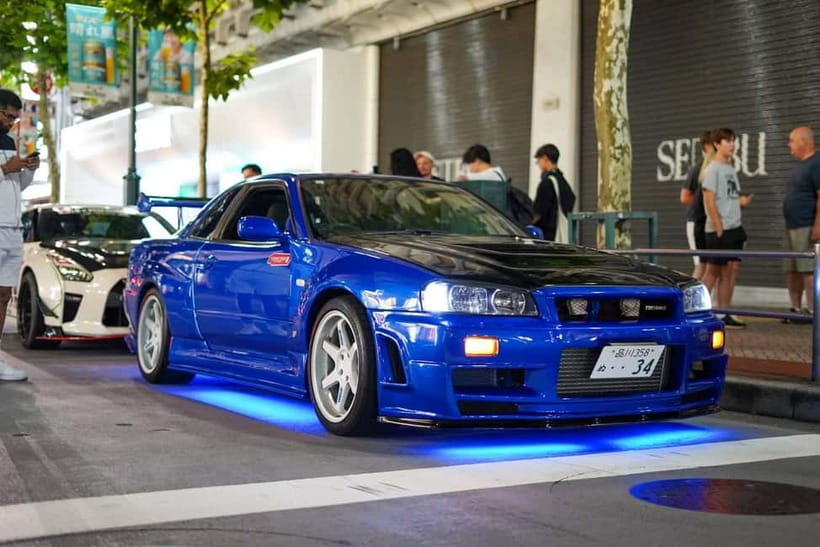
Then you get to Daikoku Parking Area, with a photo stop and about one hour on-site. Daikoku is famous for a reason: it’s a place where tuned cars cluster, people show up for the spectacle, and the sound hangs in the air.
The key value here is timing and guidance. You’re not just wandering around a chaotic parking lot. Your driver and guide help you handle the flow of cars and people while still letting you soak up the atmosphere. Multiple experiences describe rolling in with impressive lineups, and the night setting makes the whole thing feel like a live car showcase.
What you’ll notice first is the sensory overload: engine notes, exhaust sound, and polished builds under lights. The second thing is organization. Even when the scene is busy, the tour format keeps you moving at a pace that makes sense for photos and respectful viewing.
Possible drawback: one hour goes fast. If you’re hoping for “walk around for two hours and photograph everything,” this won’t feel long enough. But you’ll leave with the best highlights: the iconic arrival photos, the best lighting window, and the feeling of actually being there rather than watching from a distance.
Rainbow Bridge, Tokyo Bay roads, and the Shibuya crossing shots
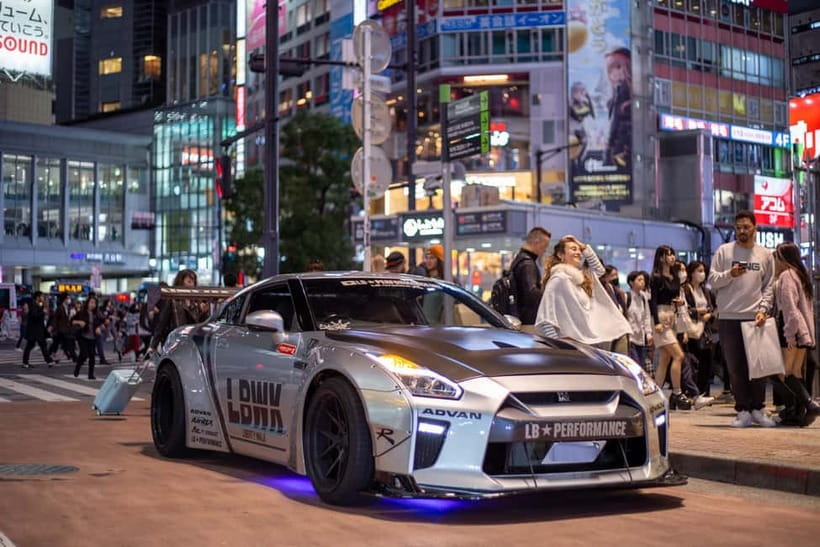
Your route includes major Tokyo sights, not just car lots. You’ll see highlights like Rainbow Bridge, and you’ll get the “Tokyo at night” feeling while riding through areas that are famous for views and skyline energy.
Rainbow Bridge is listed as a quick photo stop with sightseeing time of about 1 minute. That’s not meant for slow wandering. It’s meant for the right angle, the right moment, and then back into the driving rhythm. If you want longer viewing, build a little expectation reset: this tour trades extra standing time for extra road time and more car-focused stops.
You’ll also be able to see the Shibuya Crossing and Tokyo Tower as part of the route’s highlights. In practice, that usually means you’ll get look-and-shoot opportunities while moving through the city, rather than full walking tours. The advantage: you cover a lot without turning the day into endless waiting.
A quick note from the vibe people talk about: the ride can include tunnel runs on some nights, and the car action can get intense in short bursts. The good part is that guides are described as managing it responsibly, so you get the adrenaline taste without the ride turning unsafe.
Wangan Expressway and Umihotaru: the route that makes the car feel right
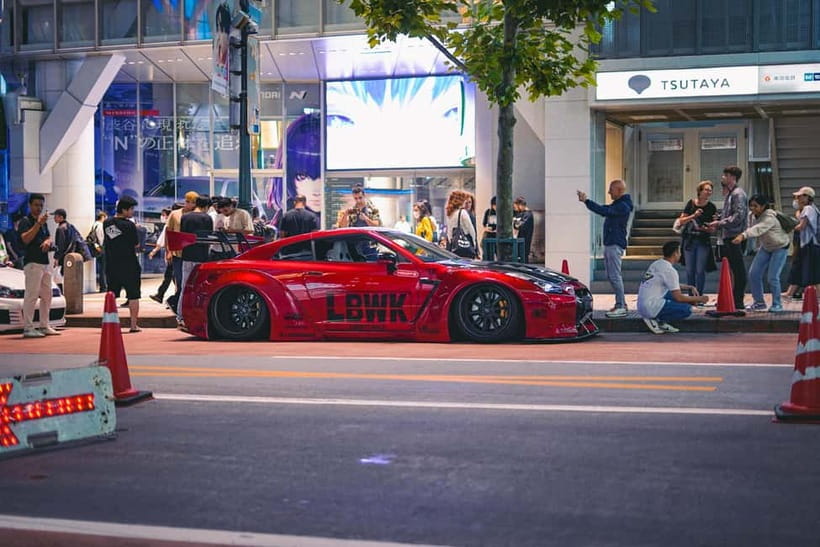
You also experience Wangan Expressway and stops tied to Tokyo Bay, including Umihotaru Parking Area. This matters because the car scene in Tokyo isn’t only about parking-lot photography—it’s about how these cars sound and feel on the roads people associate with them.
The Wangan stretch is one of the reasons this tour works. Even if you’re not chasing lap times, the road geometry and the way the city opens up give tuned cars room to breathe. Some accounts also connect the feeling to the famous Wangan C1 loop from games and pop culture, which helps explain why this road route has such a strong emotional pull.
Umihotaru fits the same idea: you get a bay-adjacent pause in a place associated with cars and night viewing. It’s a breather between photo moments, and it helps the tour feel like a proper route, not a sequence of drive-by stops.
Price and logistics: what $316 for up to 3 buys you
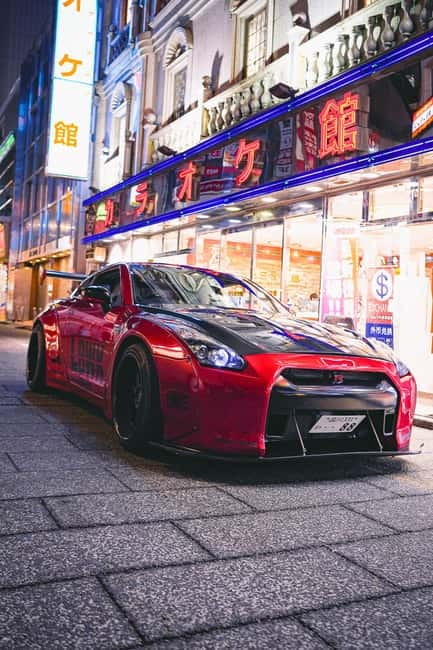
The price is listed at $316 per group up to 3 for 150 to 210 minutes. That’s important: you’re not paying per person in the typical “tour bus” way. If you’re a couple or a small group of three, the cost becomes easier to justify because you’re buying a private, guided, car-focused experience.
Here’s where the value comes from:
- Private group means your guide can adapt to your pace within the schedule.
- Tuned JDM only means you aren’t paying to sit in a generic vehicle while everyone else does the fun part.
- Bilingual guidance helps you actually understand what you’re seeing at car spots and parts stores.
Is it expensive? Yes, compared to standard sightseeing tours. But if you care about Japan’s car scene beyond stereotypes, you’re paying for access and context at places most visitors never experience firsthand.
If your goal is only photos and basic landmarks, you might feel this is more than you need. But if you want your Tokyo night to feel like a behind-the-scenes moment—car culture with a real driver and structured stops—this pricing starts to look reasonable fast.
Who should book this JDM GT-R tour
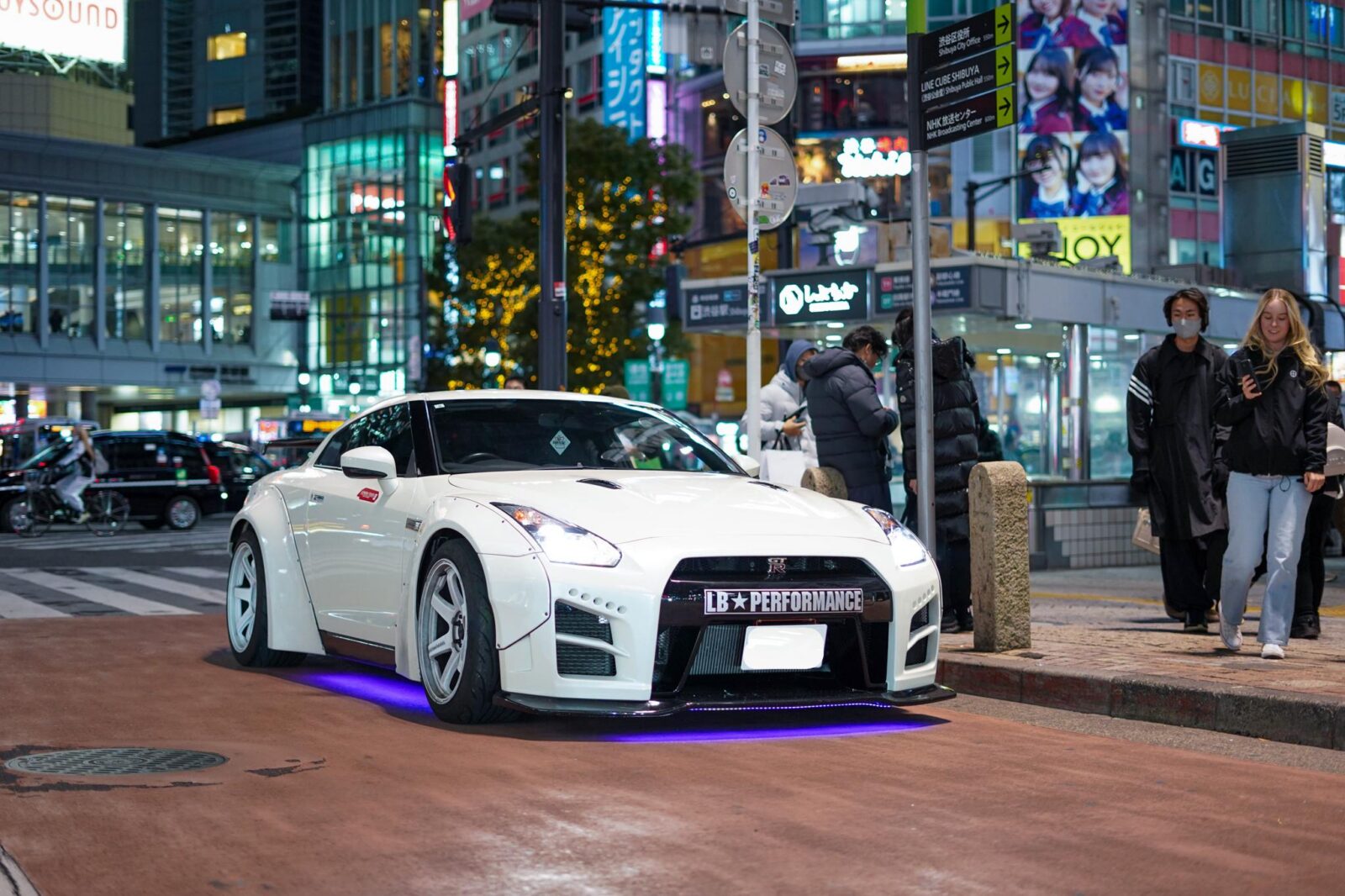
Book it if:
- You’re a car fan who wants the real-world version of Tokyo’s performance culture.
- You want a guided night plan that mixes iconic landmarks with car-specific stops like A-PIT and Daikoku.
- You prefer private group attention and help translating questions on the spot.
Consider skipping (or picking a different style) if:
- You don’t like loud engines or fast driving moments, even if they’re handled safely.
- You want a slow, leisurely sightseeing day with lots of walking time.
- You’re expecting full “parking-lot exploration” at Daikoku; the tour gives about an hour.
This is also a great fit for families with older kids who are into cars. In one described experience, a 13-year-old was very engaged, and the guide was conversational and patient—exactly what you want when you’re balancing car fun with comfort.
Should you book this Daikoku GT-R R35/R34/R32 tour?
Yes, if you want Tokyo in car-scene mode. The combination of tuned JDM seating, bilingual guidance, and high-impact stops like Daikoku Parking Area and A-PIT Super Autobacs makes it one of those rare activities that doesn’t feel generic.
If you’re on the fence, use this filter: are you choosing the tour because of cars, not just because it includes famous sights? If the answer is cars first, you’ll probably love it. If landmarks first, you may want a more standard sightseeing plan with longer time on foot.
FAQ
What car types can I ride in?
The tour offers tuned JDM cars, including Nissan GT-R options such as R35, R34, and R32 (and R33 is listed as an option). A JZA80 Supra is also available.
How long is the tour?
The duration is listed as 150 to 210 minutes.
How many people are in the group?
This is a private group, and the price is for a group of up to 3.
Where do we meet?
You can choose between Tokyo Station and Sakura Clinic as starting locations. The exact meeting point may vary depending on the option booked.
What stops are included during the tour?
The itinerary includes A-PIT Super Autobacs, Daikoku Parking Area, and a Rainbow Bridge photo stop, with the route also described as covering Tokyo Bay areas plus landmarks like Shibuya Crossing and Tokyo Tower.
Is there a live guide and what languages are offered?
Yes. You get a live tour guide with English and Japanese support.
Are these rides in tuned JDM cars or regular cars?
The tour states it uses tuned JDM cars only and does not use regular vehicles like vans or sedans.
What is the cancellation policy?
Free cancellation is available up to 24 hours in advance for a full refund.
Is payment required immediately?
The listing offers reserve now & pay later, so you can book your spot and pay nothing today.
Should you book this Daikoku GT-R tour?
If you’re booking Tokyo with a car obsession (or even a growing one), this is a strong yes. You get tuned JDM rides, guided context, and the two biggest “car culture” stops on the schedule, without turning the night into a generic landmark checklist.